Place Betting in Small Fields: Making Reduced Place Terms Work for You
Best Horse Racing Betting Sites – Bet on Horse Racing in 2026
 Available in US
Table of Contents
- The Five-Runner Problem Nobody Warns You About
- How Place Terms Contract as Fields Shrink
- When Place-Only Bets Beat Each-Way in Short Fields
- Reading Small-Field Form Differently
- Class Races Where Small Fields Offer Genuine Place Value
- Discipline When the Field Drops Below Five
- Small-Field Place Betting in Practice
- Top online casinos in the UK
The Five-Runner Problem Nobody Warns You About
I once backed a 5/1 shot each-way in a six-runner novice hurdle, feeling clever about the price. The horse ran a solid third — and my each-way bet returned so little on the place portion that I would have been better off lumping on the win. That experience taught me more about small-field place betting than any textbook. When fields shrink below eight runners, the entire economics of place betting shift, and punters who ignore this end up donating margin to bookmakers without realising it.
Standard place terms in British racing pay two places for fields of five to seven runners. Drop below five and most firms pay win-only on each-way bets, or void the place portion entirely. The contracted place market compresses value, and the 1/4 odds that feel generous in a twenty-runner handicap suddenly look thin when applied to a horse that has only four rivals to beat for a place.
How Place Terms Contract as Fields Shrink
The structure is simple but its consequences are severe. In races with eight to fifteen runners, bookmakers typically pay three places at 1/5 the odds. At sixteen-plus runners, that expands to four places at 1/4 odds. But in a five-, six-, or seven-runner race, only two places are paid — and the fraction applied is usually 1/4 of the win odds.
Consider a 6/1 shot in a six-runner Group race. The place odds are 6/4, and with only two places paid, the horse needs to finish first or second to trigger the place portion. The probability of a 6/1 shot finishing in the top two of a six-runner field is not dramatically higher than finishing in the top three of a twelve-runner field. Yet the payout is lower because the fraction reflects the smaller field. The bookmaker’s overround on place markets in small fields is often larger than in handicaps because there is less competitive pricing pressure from exchanges and rival firms.
Matchbook Insights analysis indicates favourites win around 30-35% of the time across all race types. In small fields, that figure rises because fewer opponents means less randomness. A 4/6 favourite in a five-runner race has an implied probability of about 60%, but their place probability might only be 75-80% — and at 1/4 place odds, the return on a place bet at those compressed odds barely justifies the risk.
When Place-Only Bets Beat Each-Way in Short Fields
Here is where small-field betting gets interesting. Exchange place markets and fixed-odds place-only betting allow you to bet exclusively on a horse finishing in the places without attaching a win bet alongside it. In a small field, the place-only route avoids the dead weight of the win portion on a horse you believe will place but probably will not win.
Say you fancy an 8/1 outsider in a five-runner race. Each-way at five pounds costs ten pounds total. The win double is unlikely to land — 8/1 implies roughly an 11% chance. The place portion at 2/1 (8/4) pays fifteen pounds if the horse finishes first or second. Your net profit on a placed finish: five pounds. Your net loss if the horse misses the places: ten pounds. The risk-reward ratio is 2:1 against you.
A place-only bet at exchange odds of, say, 2.5 (equivalent to 6/4) costs five pounds to return 12.50 pounds, netting 7.50 profit if the horse places. Your exposure is five pounds, not ten. The risk-reward ratio improves because you are not funding a speculative win bet that drags down expected value. In small fields where place probability is moderate but win probability is low, stripping out the win component and concentrating stake on the place is a mathematically superior approach.
Reading Small-Field Form Differently
Small fields demand a different form analysis than big handicaps. The pace dynamic is the single biggest variable. In a five-runner race, there may only be one front-runner. If that horse sets a genuine gallop, hold-up horses get a clean trip. If the pace collapses, closers get stuck behind a wall of slowly moving bodies with nowhere to go. Understanding which horse is likely to make the running — and at what tempo — is more important than ratings in short fields.
Ground conditions amplify the effect. A flat five-runner race on soft ground at Haydock plays entirely differently from the same field on good ground at Ascot. Soft ground tests stamina and grinds the pace down, giving every horse time to get into contention. Fast ground on a sharp track rewards tactical speed and can produce a strung-out finish where the first two home are clear of the rest. For place betting, you want competitive, bunched finishes — and those happen most often on galloping tracks with an even pace.
The UK Gambling Commission reported remote horse racing gross gaming yield of 766.7 million pounds in the year to March 2025. A significant portion of that revenue comes from small-field afternoon racing on midweek cards, where casual punters back each-way without adjusting for the contracted place terms. Bookmakers set their margins accordingly — wider in small fields because they know bettors are less price-sensitive on quiet Tuesday cards than on feature Saturdays.
Class Races Where Small Fields Offer Genuine Place Value
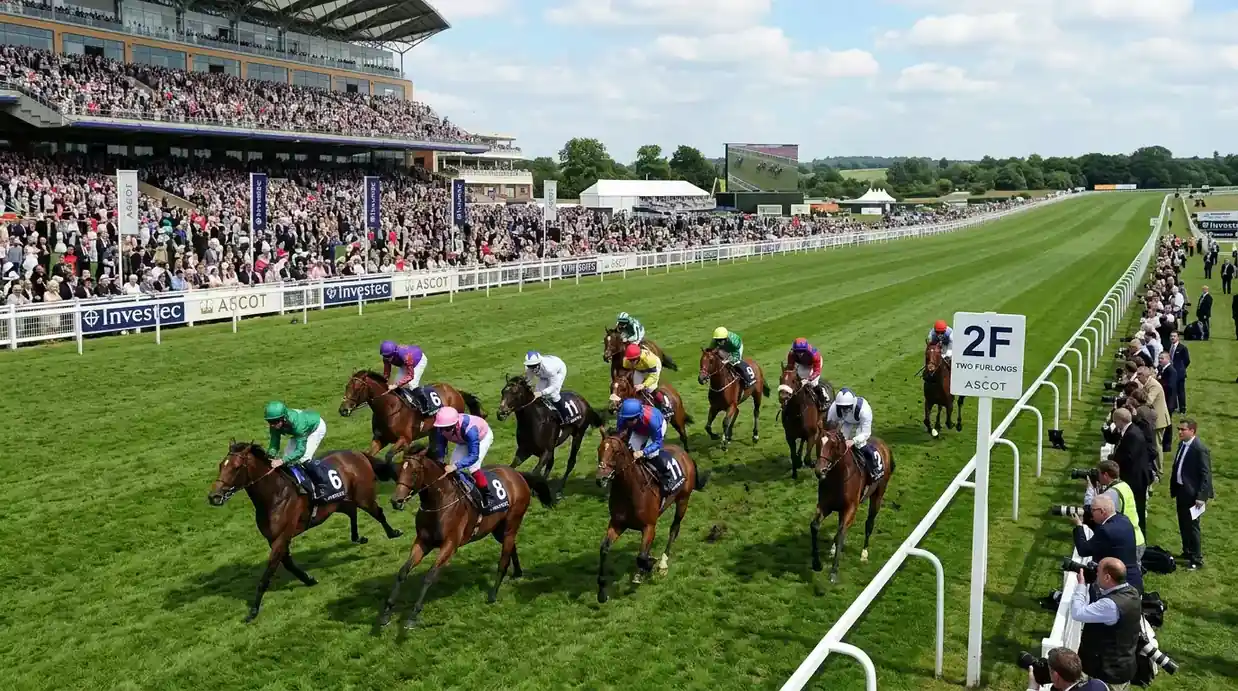
Not all small fields are traps. Group and Graded races regularly attract fields of five to eight runners, and these races often contain horses with clear form lines that make place probability assessments more reliable than in open handicaps. A Group 2 over ten furlongs with six declared runners gives you a readable race: you know the likely pace, the fitness profiles, the class ceiling of each runner.
The value appears when a genuine class horse is overlooked because it has been absent or underwhelming in trials. Trainers often use lesser races as stepping stones to bigger targets. A horse returning from a break might not win a six-runner Group 3 but will almost certainly place if its previous form at the level is solid. Place-only betting in these scenarios targets the horse’s baseline ability while ignoring its fitness question mark on the day.
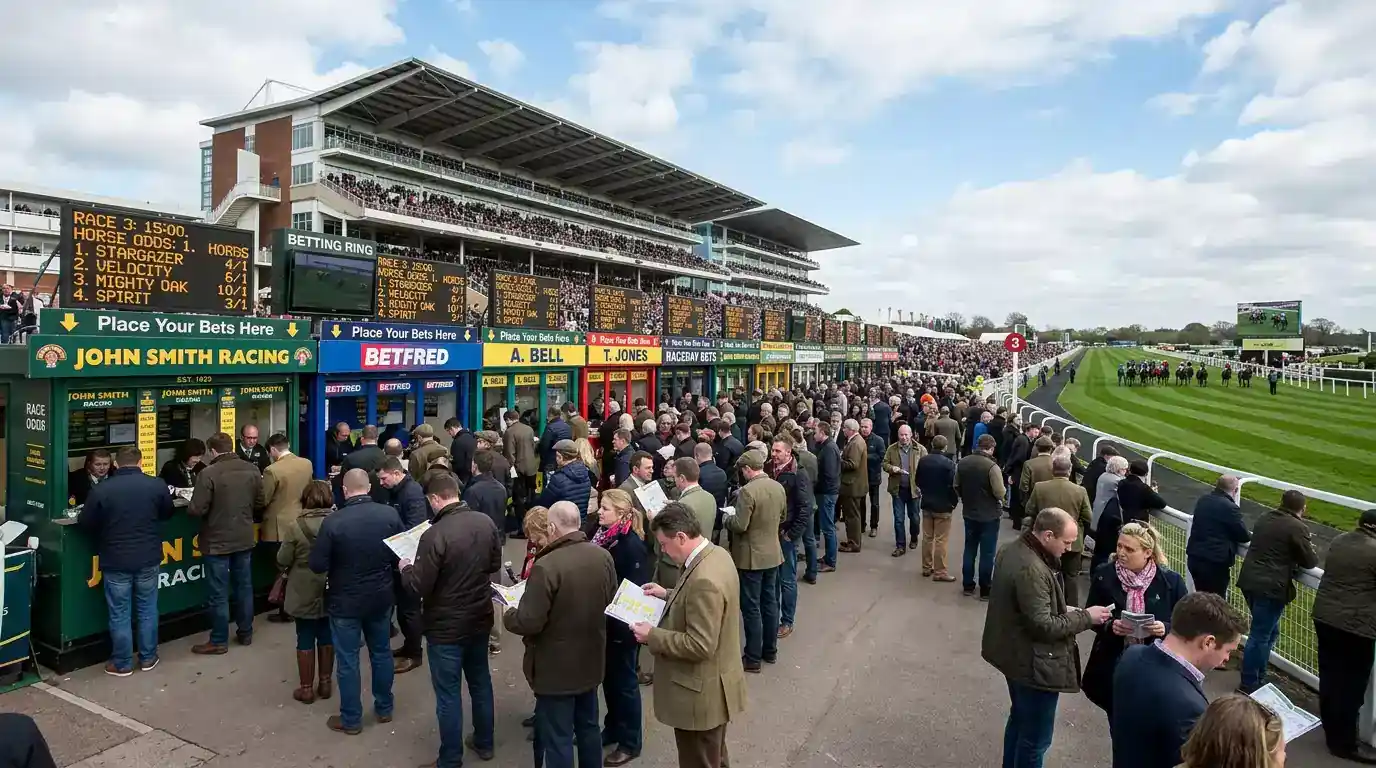
Festival trials in the spring are prime territory. Cheltenham and Aintree both card small-field races during their feature meetings, and the betting activity is intense. Bookmaker gross profits ran well above historical norms during early 2025, according to HBLB analyst Said Delmonte — partly because punters bet aggressively each-way on short-field races where the place terms simply do not support the strategy.
Discipline When the Field Drops Below Five
The hardest lesson in small-field place betting is knowing when to walk away. A four-runner race is essentially a win-only proposition. Most bookmakers void each-way bets or pay first-place only. Even exchange place markets on four-runner fields offer tight odds that rarely justify the risk. If you have backed a horse each-way ante-post and the field shrinks to four or fewer on the day, your place portion is dead money unless the bookmaker offers specific four-runner place terms — and few do without an enhanced-place promotion attached.
The solution is to focus your place-betting energy on races with five or more declared runners and to verify place terms before committing stake. Checking the number of remaining runners on the morning of the race — after overnight withdrawals — takes thirty seconds and can prevent a structurally poor bet from draining your bank. Place betting in small fields works, but only when you adjust your approach to match the tighter margins that fewer runners create.
Small-Field Place Betting in Practice
How many places are paid in a five-runner race?
Most UK bookmakers pay two places in races with five to seven runners. The place fraction is typically 1/4 of the win odds. Races with four or fewer runners are usually win-only, meaning each-way bets either have the place portion voided or are settled as win singles.
Are exchange place markets available for small fields?
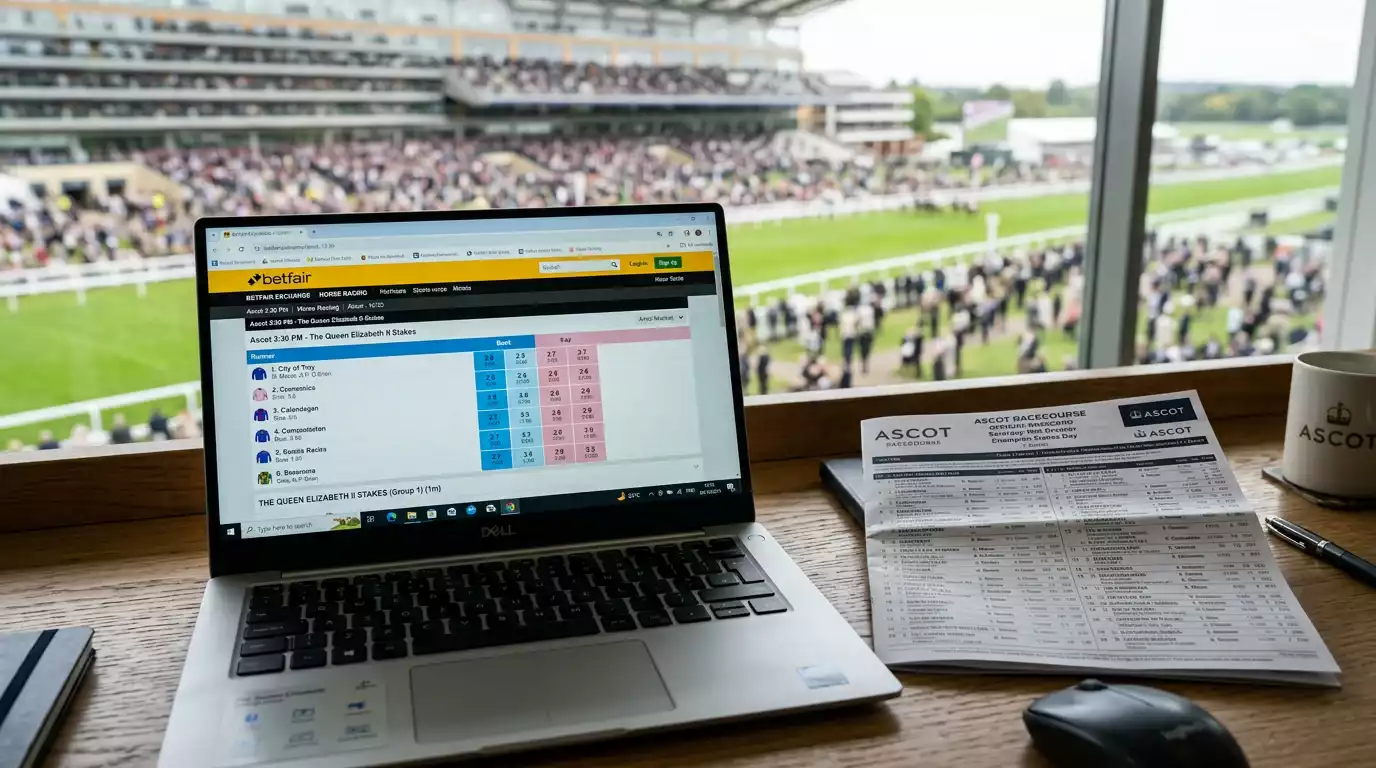
Yes, Betfair and other exchanges run place markets for most races with five or more declared runners. The number of places paid on the exchange matches the standard industry terms for that field size. Liquidity is usually thinner in small fields, so check available volume before placing a bet.
Should I avoid each-way betting entirely in small fields?
Not necessarily, but the maths shifts against you. The win portion of an each-way bet becomes a larger drag on profitability when only two places are paid. Place-only betting or a straight win bet often offers better expected value in fields of five to seven runners, depending on your assessment of the horse’s win and place probabilities.
The full picture is in our guide to UK place and each-way betting.
The full table of terms: UK place terms.
Top online casinos in the UK
- WinBeastBonus: €5000 + 500 FS + €650 Freebet · Payout speed: 1-3 business days
- NightWinBonus: £900 + 400 free spins · Payout speed: 1-3 business days
- ZombillionBonus: Welcome Pack 250% up to £4000 + 200 FS · Payout speed: 1-3 business days
- AmunbetBonus: Join now and get 450% up to 2,700 GBP + 450 FS · Payout speed: 1-3 business days
- JetsetspinsBonus: 200% Bonus + 100 Free Spins + Free Royal Wheel · Payout speed: 1-3 business days
- BritsinoBonus: Welcome Package – Get your £2,200 + 2,000 FS · Payout speed: 1-3 business days
Written by the editors at Horse Racing Show bet.