Each-Way Betting on the Flat vs Over Jumps: How Code Shapes Place Dynamics
Best Horse Racing Betting Sites – Bet on Horse Racing in 2026
 Available in US

Two Sports Wearing the Same Name
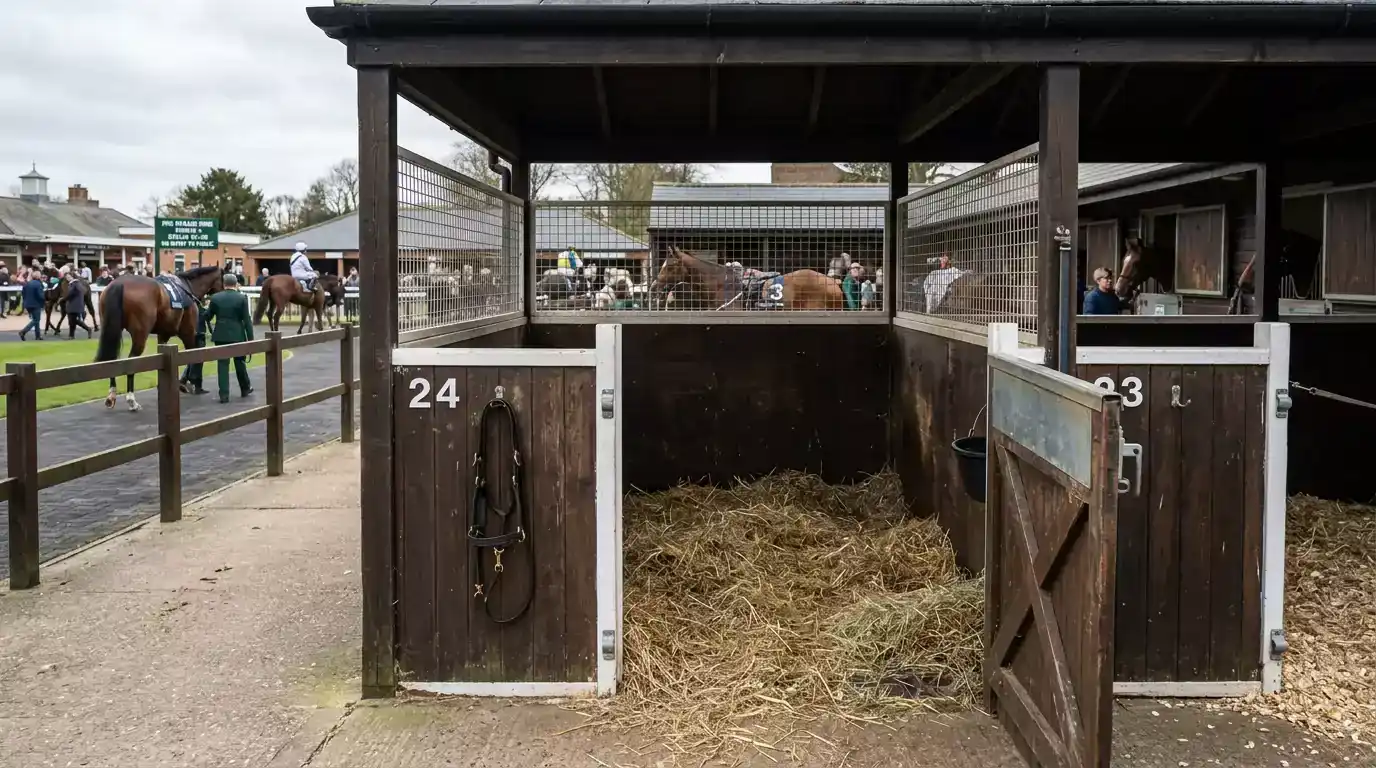
The first time I tried applying my flat-racing each-way habits to a Cheltenham handicap hurdle, I quickly realised I was playing a different game. On the flat, I had grown used to pace maps and sectional times telling me which horses would fill the places. Over jumps, a horse with the best form could unseat at the third fence and my carefully reasoned each-way bet would be worth nothing before the field reached halfway. The falling hazard alone changes the calculus of place betting in ways that flat punters rarely appreciate until they experience it.
Each-way betting works on both codes, but the underlying probabilities, the field dynamics, and the risk profile are fundamentally different. A strategy that profits on Saturday flat handicaps at York may bleed money at the Cheltenham Festival — and vice versa. Understanding why requires looking at what the codes do differently to the chances of a horse finishing in the places.
Fall Risk and Its Effect on Place Probability
Jumps racing introduces an attrition factor that flat racing lacks entirely. In a twenty-runner handicap hurdle, you might see two or three fallers and a couple of unseated riders. In a competitive handicap chase, the dropout rate climbs higher. Every horse that fails to complete the race removes a competitor from the place positions, which should, in theory, improve the place probability for every surviving runner.
In practice, the effect is messier. Falls are not evenly distributed across the field. Front-runners pressing the pace make more jumping errors. Tired horses in the rear make mistakes at the later obstacles. The horses most likely to complete the course are those racing handily in mid-division with sound jumping technique — and those are precisely the horses that professional each-way punters target over jumps. A solid jumper sitting fourth or fifth turning for home in a twenty-runner handicap hurdle has an excellent place probability because the natural attrition ahead will open up finishing positions.
Matchbook Insights data shows favourites win approximately 30-35% of the time across both codes. But the place rate for jumps favourites is slightly lower than for flat favourites in equivalent field sizes because even the best-fancied horse can fall. That falling risk redistributes place probability toward the middle of the market — good news for each-way punters targeting 10/1 to 25/1 shots with reliable jumping records.
Field Sizes and Place Terms Across the Codes
Field sizes differ systematically between flat and jumps. Big flat handicaps routinely attract twenty to thirty runners, especially on turf at major meetings. Jumps handicaps occasionally reach similar numbers — the Grand National fields forty runners — but the average jumps handicap at a standard midweek meeting draws ten to sixteen runners.
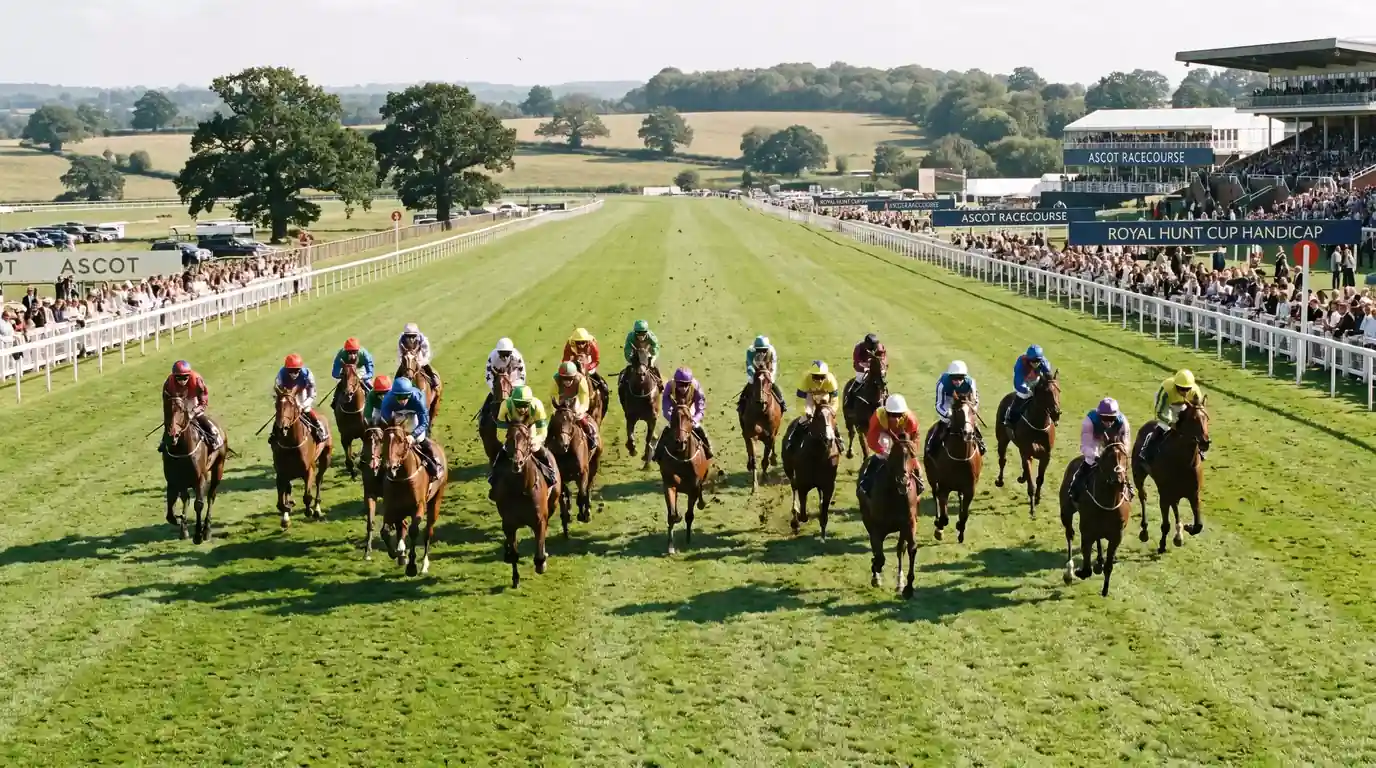
This matters because place terms are field-size dependent. Four places at 1/4 odds requires sixteen or more runners. Three places at 1/5 applies to fields of eight to fifteen. Two places at 1/4 for five to seven. Flat racing, with its larger average fields, more frequently triggers the most generous place terms. Jumps racing, with smaller typical fields, more often lands in the three-place band.
About 75% of bets placed on the Grand National are each-way, according to grandnational.org.uk, and that race is the exception that proves the rule — a jumps race with a flat-sized field. The Grand National’s place terms (typically four or more places, depending on the bookmaker) are among the most generous in jumps racing precisely because the field is so large. Most other jumps races offer tighter terms.
Pace Dynamics and How They Shape Place Outcomes
On the flat, pace is largely predictable. Sectional times are available for many races, and the effect of fast or slow early fractions on finishing order is well-modelled. In a flat sprint, the pace is almost always genuine because every horse is racing to get to the front. In a flat mile-and-a-half handicap, the pace tends to be moderate early and quicken from the three-furlong pole. These patterns repeat, and place outcomes correlate strongly with draw position and running style.
Over jumps, pace is less predictable and more race-dependent. A front-running type might set a suicidal gallop in a three-mile chase, stringing out the field and causing carnage at the fences. Or the field might crawl along before a sprint from the second-last obstacle, turning the race into a test of tactical speed rather than stamina. The unpredictability benefits each-way bettors over jumps because it introduces variance that bookmakers struggle to price accurately.
Prize money across British racing rose 3.5% to a record 194.7 million pounds in 2025, per Kevin Walsh of the Racecourse Association. That growth supports competitive fields at major meetings on both codes. But the distribution of prize money toward the flat — particularly to high-value turf Pattern races — means the best flat handicaps attract deeper, more competitive fields where form is compressed. Jumps handicaps at lower prize-money levels can contain wider ability ranges, which makes identifying genuine place candidates slightly easier once you can distinguish class from exposure.
Top online casinos in the UK
- WinBeastBonus: €5000 + 500 FS + €650 Freebet · Payout speed: 1-3 business days
- NightWinBonus: £900 + 400 free spins · Payout speed: 1-3 business days
- ZombillionBonus: Welcome Pack 250% up to £4000 + 200 FS · Payout speed: 1-3 business days
- AmunbetBonus: Join now and get 450% up to 2,700 GBP + 450 FS · Payout speed: 1-3 business days
- JetsetspinsBonus: 200% Bonus + 100 Free Spins + Free Royal Wheel · Payout speed: 1-3 business days
- BritsinoBonus: Welcome Package – Get your £2,200 + 2,000 FS · Payout speed: 1-3 business days
Seasonal Patterns and Each-Way Timing
The flat season runs roughly from April to October on turf, with all-weather racing year-round. The jumps season peaks from October through April, centred on the Cheltenham Festival in March and Aintree’s Grand National meeting in April. Each-way betting opportunities cluster differently across these calendars.
On the flat, early-season handicaps from April through June often feature unexposed three-year-olds carrying less weight than their older rivals. These horses have short form lines, making them hard to assess, but those who have shown promise in maidens or novice company can outperform their odds in handicap company. The each-way value on these improvers is highest before the market has fully priced in their trajectory — typically in May and June when they step up in class for the first time.
Over jumps, the richest each-way markets surround the festivals. Cheltenham in March and Aintree in April compress dozens of competitive handicaps into short meetings where form from disparate tracks collides. Bookmaker gross profits were well above norms during early 2025 according to HBLB analyst Said Delmonte, with Cheltenham proving particularly bookmaker-friendly that year. But one season does not define the long-term pattern: Cheltenham’s big-field handicaps historically provide some of the best each-way opportunities in the racing calendar because the form mix is so varied.
Choosing Your Battlefield
Neither code is inherently better for each-way betting. The flat offers larger fields, more generous place terms, and a more predictable pace environment. Jumps racing offers natural attrition that redistributes place probability, softer markets on unfashionable runners, and a variance profile that rewards patient each-way punters. Most profitable each-way bettors specialise — either mastering the sectional data and draw biases of the flat or developing an eye for jumping technique and stamina over obstacles. Trying to excel at both simultaneously dilutes the expertise that edge-finding demands.
Are place terms different for flat and jumps racing?
The place terms depend on field size, not the code. However, flat races tend to have larger fields than jumps races on average, which means flat races more frequently trigger the most generous place terms of four places at 1/4 odds. Jumps races more commonly fall into the three-place or two-place bands.
Does falling affect each-way bet settlement?
If your horse falls, is brought down, or unseats its rider, it has not finished in the places and the each-way bet loses both portions. However, falls by other horses reduce the number of competitors for place positions, which can improve the place chances of horses that complete the course. This attrition effect is unique to jumps racing.
The full picture is in our guide to UK place and each-way betting.
Where the places widen most: each-way on handicaps.
Written by the editors at Horse Racing Show bet.