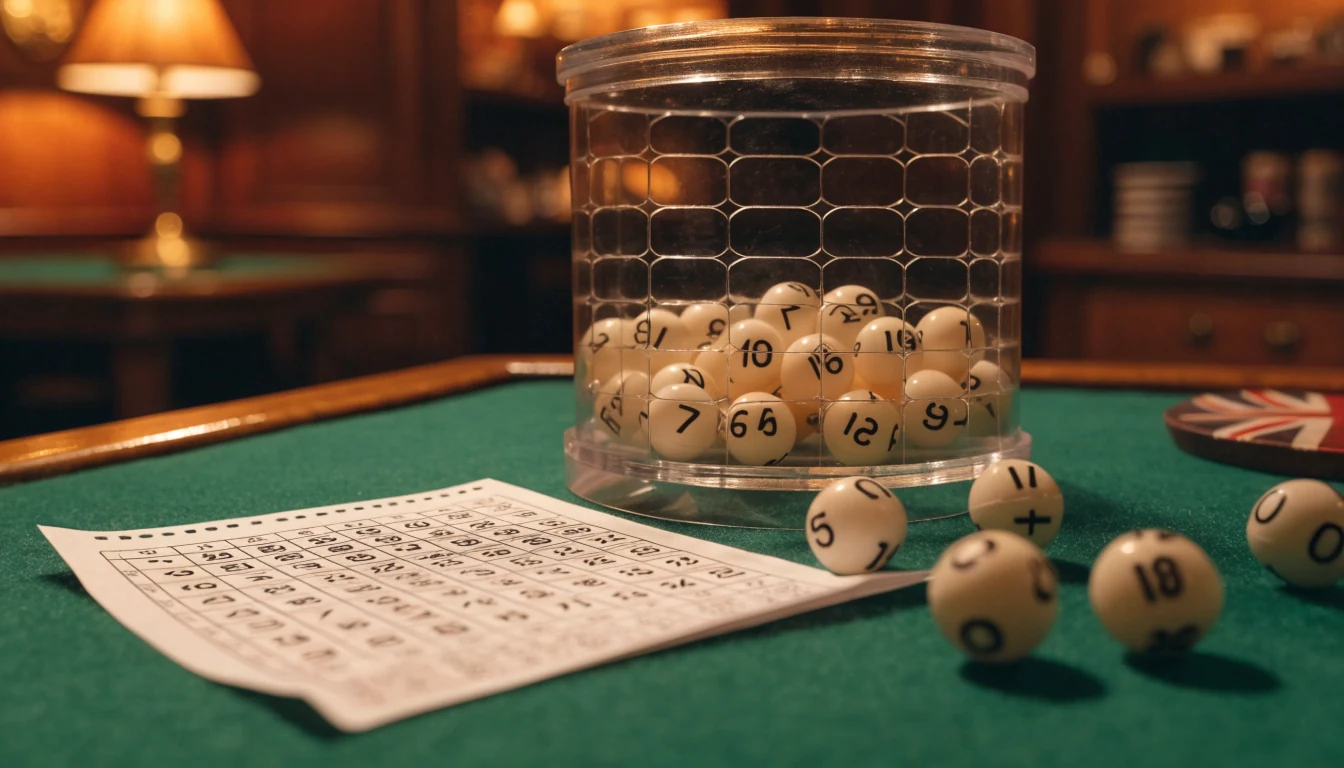
Casino Dice Games in the UK: Rules and Formats
Best Horse Racing Betting Sites – Bet on Horse Racing in 2026
 Available in US
A guide to UK-market distinctions, dice-themed slots, offshore terms and payment formats, with attention to how wagers and bonuses work.
Table of Contents
- How Casino Dice Games Fit into the Casino Game Mix
- Online Dice Casinos and the UK Market Divide
- Top online casinos in the UK
- Casino Game Categories: Tables, Machines and Random-Number Games
- Offshore Dice Casino Sites and Their Terms
- Dice-Roll Slots: Play Formats and Stake Limits
- Reading Casino Bonus Terms in Cash Terms
- Craps, Table Play and Crypto-Casino Context
- Bitcoin and Other Cryptocurrency Payments
- Dice-Themed Slots and Random Outcomes
- Dice Casinos and the Limits of a Site Comparison
How Casino Dice Games Fit into the Casino Game Mix
A casino game is a wager: cash or chips are put at risk on a possible random result, or on a combination of results. Dice make that idea easy to see. A stake is placed, a roll produces an outcome, and the rules determine whether that outcome returns a win or a loss. The important point is not the equipment but the structure of the wager.
In a dice game against the house, the player’s result is measured against the casino’s rules. The casino does not need another player to lose for the house to earn money. The game’s terms set the relationship between possible outcomes and payouts; over repeated play, that structure gives the casino a predictable long-term advantage. It does not prevent a player from winning in the short term. A favourable run can produce gains, but it does not reverse the underlying long-run balance.
That distinction matters when assessing casino dice in the wider game mix. Not every casino game works as a direct contest between an individual player and the house. In games such as poker, players compete with one another instead. The casino generally earns through a commission, known as a rake, rather than by taking the opposing side of each player’s wager. The source of casino revenue is therefore different, even though players are still risking money on uncertain outcomes.
Online Bingo UK: Tickets, Formats and Slots
For anyone considering a casino dice game in the UK in 2026, the useful starting point is to separate the appeal of a possible short-term result from the game’s financial structure. A roll can settle a wager quickly; it cannot make the house’s long-term advantage disappear. That is the basic context for understanding where dice sit among casino games, without treating every game as though the casino earns in the same way.
Online Dice Casinos and the UK Market Divide
An online casino can offer dice games where gambling is permitted by law. For a UK player, however, the important distinction is not the device used to generate an outcome or the name attached to a game. It is whether the operator holds the licence required to serve the British market. The phrase “online dice casino” can describe a game format, but it does not establish that the site offering it is authorised in the UK.
Chicken Road Game in UK Casinos: What to Verify
The market is often described in specialist reviews as having two distinct sides: UKGC-regulated casinos and offshore platforms outside that system. That description concerns operators’ regulatory position, not a single category of dice game. An online casino dice game may appear on either kind of platform; the game’s presence alone says nothing about the operator’s standing.
The UKGC boundary
The Gambling (Licensing and Advertising) Act 2014 established a licensing requirement for operators taking bets from people in Britain. For real-money gambling offered to customers in England, Scotland and Wales, the relevant operating licence must come from the UK Gambling Commission, commonly shortened to UKGC. The location of an operator’s offices does not remove that requirement when it is selling into the British market.
That makes the licence a basic dividing line for online casino play. A casino serving British customers legally needs a current UKGC operating licence. Where that licence applies, the operator falls within the UK regulatory framework. A platform that accepts UK players but operates without a UKGC licence sits outside it, even if the site is accessible and presents games in pounds or in English.
This distinction matters across formats. A player might be looking for dice casino games online, but a familiar interface or a dice-themed lobby does not alter the legal status of the business behind it. Nor does the word “casino” in a brand or page title provide evidence of a licence. Regulatory status belongs to the operator, rather than to each individual game.
What the divide means in practice
The UKGC side is the licensed market for operators serving Great Britain. Offshore casinos that accept UK players form a separate group because they are not part of that licensing system. These are not two equivalent routes under one UK framework: the legal requirement for operators targeting British residents is a UKGC licence.
Licensing Status
Remote operators offering gambling to customers in Great Britain are required to hold a UKGC licence, regardless of where they are based.
That difference is more useful than treating all online dice casino sites as interchangeable. Game availability answers one question: whether an operator lists a particular kind of play. Licensing answers another: whether it is authorised to provide real-money gambling to customers in the relevant UK jurisdiction. One does not prove the other.
The distinction also keeps the scope of the term “UK casino” clear. A site may be reachable from the UK without being a UK-licensed casino. Access and authorisation are separate matters. An offshore operator’s willingness to accept British customers does not convert it into a UKGC-regulated business.
For England, Scotland and Wales, the operating requirement is straightforward: real-money casino services offered to customers there require a UKGC licence. The Gambling Act 2005 governs gambling in those nations, while Northern Ireland is outside that Act’s scope. That jurisdictional detail matters when describing the market as a whole; “UK” is not a substitute for naming the particular legal framework that applies.
Reading “online dice” as a format
“Online dice” can refer broadly to digital casino play involving dice, but the wording does not identify a particular operator or settle whether the play is real-money or free. Free online casino dice games and real-money games are different kinds of activity in practical terms, yet the presence of a free-play option does not establish the licensing position of other services offered by the same platform.
The same caution applies to searches for a dice casino online or a place to play casino dice online. Those phrases describe what someone wants to find, not the legal status of a site. The relevant market question remains whether the operator is licensed to serve customers in Britain. For real-money gambling in England, Scotland and Wales, that means a UKGC operating licence.
Mines Casino Game UK: Rules, Demos and Licensing
So the market divide is not a ranking of dice games, nor a claim that every platform with dice play belongs to the same regulatory category. It is a distinction between licensed operators serving the British market and offshore platforms outside UKGC oversight. The game format may be similar on screen; the operator’s position in the market is not.
Top online casinos in the UK
- WinBeastBonus: €5000 + 500 FS + €650 Freebet · Payout speed: 1-3 business days
- NightWinBonus: £900 + 400 free spins · Payout speed: 1-3 business days
- ZombillionBonus: Welcome Pack 250% up to £4000 + 200 FS · Payout speed: 1-3 business days
- AmunbetBonus: Join now and get 450% up to 2,700 GBP + 450 FS · Payout speed: 1-3 business days
- JetsetspinsBonus: 200% Bonus + 100 Free Spins + Free Royal Wheel · Payout speed: 1-3 business days
- BritsinoBonus: Welcome Package – Get your £2,200 + 2,000 FS · Payout speed: 1-3 business days
Casino Game Categories: Tables, Machines and Random-Number Games
The word “dice” describes a feature of play, not a complete game category. Casino dice games can be presented at a table or through a machine or digital game, and those formats differ in how play is conducted and how the casino earns money. A dice image on screen does not, by itself, establish that a game is a table game; the relevant distinction is the underlying format.
Table games
At a table game, players compete against the casino rather than against one another. A croupier or dealer commonly conducts the game, managing its procedure and the interaction at the table. Dice may form part of that play, but the presence of dice does not change the basic relationship: the outcome is assessed between each player and the house.
That separates casino table games with dice from formats in which the players’ results are measured against other players. The dealer’s role is also a practical marker. A live table has a person conducting play; a digital representation of a table may look similar but can use a different mechanism to produce outcomes.
Table Games
At a table game, the outcome is assessed between each player and the house, and the game is commonly conducted by a croupier or dealer.
This distinction matters when comparing dice table games with other casino formats. The question is not simply whether dice appear, but who or what conducts the game and against whom the player’s result is settled. A table layout can provide a familiar visual frame, while the operating format determines whether the game is genuinely dealer-led.
Gambling machines
Gambling machines are generally designed for one player at a time and do not need a casino employee to run each round. This makes them different from dealer-led tables, even when the screen depicts dice, a table surface or other familiar casino imagery.
For dice games at the casino, the machine format means that the player interacts with equipment rather than with a croupier. The display may show a roll, but the display alone does not tell the player whether the game belongs to a machine category or a table category. The operating arrangement does.
This is also why a dice-themed machine should not automatically be treated as a conventional dice table game. One is organised around individual use of a machine; the other is organised around table play conducted by a dealer or croupier. Similar symbols can sit over materially different formats.
Random-number games
Random-number games use selected random numbers produced by a computer or other gaming equipment. This describes a way of generating outcomes, rather than a particular visual style. Dice may be shown as the representation of an outcome, but the visible roll and the mechanism that selects the result are separate parts of the game.
JetX Casino Game in the UK: Availability and Rules
A game can therefore resemble a dice game without involving physical dice being rolled by a dealer. Where the outcome is generated by equipment, the animation is a presentation of that result. In a live table setting, by contrast, a croupier or dealer conducts play. Those distinctions help make sense of the range of dice games involving casino equipment, whether the interface looks like a table or a machine.
Random-number generation also should not be confused with the question of whether players compete against the house or against one another. The first concerns how an outcome is produced; the second concerns how the game is structured and how the casino earns revenue.
The house and commission
In many casino formats, the player’s result is settled against the casino. Some games instead set players against one another. Poker is an example of the latter arrangement: the casino generally earns through a commission known as a rake, rather than by acting as the opponent in each hand.
That distinction applies regardless of whether a casino floor or online interface supplies the setting. A useful classification of casino games involving dice therefore has two parts: the format of play—table, machine or random-number game—and the relationship behind the result, such as player against house or player against player with a rake. Dice identify a component; they do not answer either question on their own.
Offshore Dice Casino Sites and Their Terms
Offshore casinos may accept players from the UK while operating outside the UK Gambling Commission’s regulatory system. That distinction matters more than whether a site carries a foreign licence: remote operators offering gambling to customers in Great Britain are required to hold a UKGC licence, regardless of where they are based. A licence from another jurisdiction does not make an offshore site a UKGC-licensed casino.
Attention: A licence from another jurisdiction, such as Curaçao, Malta or Gibraltar, does not place a platform inside the UKGC system.
Some non-traditional gaming platforms operate under licences issued in Curaçao, Malta or Gibraltar. Those jurisdictions identify the framework under which a platform says it operates; they do not place it inside the UKGC system. For anyone assessing dice casino sites, the relevant question is therefore not simply whether a licence logo appears, but which regulator issued it and whether the operator holds the UK licence required to serve the British market.
The term “trusted dice casino” is not a regulatory category. A polished site or a licence from outside the UK cannot, by itself, establish that a platform provides UKGC protections. Offshore sites sit outside the UKGC framework, so the safeguards attached to UK-licensed operators should not be assumed to apply in the same way. This is a material difference in status, not a minor detail in the footer.
Some alternative platforms provide their own player-protection tools, including deposit limits, session timers and self-exclusion options. These features can help set boundaries within an account, but their availability is not the same as UKGC oversight. Their practical value depends on how the platform applies them, whether the settings are accessible, and what its terms say about changing or maintaining them. A tool is only a control if it can be used as described.
The terms deserve attention alongside the platform’s licence details. For dice play, the rules should make clear how a round is settled, what happens when a connection is interrupted, and how the operator handles a disputed result. These are questions to resolve from the site’s published rules rather than assumptions based on the word “casino”. The same applies to account restrictions and the process for raising a complaint: the terms define the platform’s stated procedures, while an offshore operator remains outside the UKGC complaints and enforcement framework.
Crash Casino Games in the UK: How They Work
Searches for UK casino sites with dice games can also lead to pages combining table-style dice play with dice-themed slots. Those are different products and their rules should not be conflated. A slot featuring dice imagery is still a machine game; the visual theme does not establish that it follows the rules of a dice table.
Offshore sites may present a broad range of games and account tools, but the central calculation is institutional: foreign licensing and platform-level controls do not equal a UKGC licence. Any description of an offshore platform should preserve that distinction, especially when the word “trusted” is used as if it were a status conferred by a regulator.
Dice-Roll Slots: Play Formats and Stake Limits
A slot built around dice imagery remains a machine game, even when its reels show dice or its presentation suggests a roll. The format is different from a table game: machine play is generally for one player at a time and does not need a dealer or other casino employee to run each turn. The stake is placed on a slot spin, not against another player.
That distinction matters when “dice-roll slot” and casino dice are treated as interchangeable. A slot’s dice theme is presentation; it does not, by itself, establish that the player is rolling physical dice or following the rules of a table game. Searches for instructions on playing casino dice or craps point to a different format, so slot controls and stake limits do not explain how those table games work.
Do
- Treat dice-themed slots as machine games
- Apply age-based stake limits (£5 for 25+, £2 for 18-24)
Don’t
- Treat dice-roll slots as equivalent to table games
- Assume slot controls explain how craps works
Demo and free-play versions refer to play without staking cash, where such a mode is offered. They can show the interface and the sequence of a spin, but they do not turn a slot into a dice table. Nor does a free-play label establish that a real-money version has the same terms or is available on every platform. The relevant distinction is whether the session involves a cash stake, not whether dice appear in the artwork.
For real-money online slots in Britain, the stake ceiling depends on age. Players aged 25 and over may stake no more than £5 per spin; for those aged 18 to 24, the maximum is £2. The £5 limit for all adults took effect on 9 April 2025, after which the lower limit for younger adults continued to apply. These are limits on online slot stakes, not suggested stakes and not a guide to the cost of a session. Repeated spins can still add up, even when each one stays within the cap.
A dice-themed slot therefore needs to be assessed as slot play: each spin is a machine round, and its stake is subject to the relevant age-based limit. A free or demo mode changes the immediate cash exposure, but not the underlying format. The wording attached to a game may blur the boundary; the mechanism does not.
Reading Casino Bonus Terms in Cash Terms
A casino bonus has a cash value only after its conditions are translated into required stakes. The key figure is the wagering requirement: the multiple applied to the bonus funds before any resulting balance can be withdrawn. A headline amount alone says little about how much play is attached to it.
Aviator Casino Game UK: Licensing and Play
The calculation is multiplication. A £20 bonus subject to 10x wagering requires £200 in total stakes. That is turnover, not a payment to the casino and not a guaranteed loss of £200; the eventual balance depends on game outcomes. It is still the amount that must be wagered to meet the condition, so the distinction between bonus value and required turnover matters.
The same arithmetic explains why a larger multiple changes the economics. A £100 bonus with a 35x requirement would require £3,500 in bets before cash-out eligibility. That is a useful illustration of how terms can convert a modest-looking bonus into substantial required play. Under the rule described in a specialist review, gambling incentives have been subject to a 10x ceiling on bonus-fund wagering requirements since 19 January 2026. The date matters: an offer’s wording and the rules applicable to it should be read together, rather than treating an advertised bonus as unrestricted cash.
Product restrictions also affect the calculation. A single incentive cannot require activity across different gambling product types, such as casino play and betting. A casino bonus therefore cannot make a betting stake part of the same requirement for unlocking its reward. This does not remove other conditions attached to an offer; it defines the product boundary of the incentive.
For dice casino bonuses, the relevant comparison is therefore not simply which offer appears largest. The useful figures are the bonus funds, the wagering multiple, the resulting total stakes, and the permitted product category. A bonus tied to casino play remains a casino incentive; it does not become more valuable because a separate product is mentioned elsewhere in promotional material.
Bonus Calculation
Determine Bonus Value
Identify the headline bonus amount, such as £20.
Apply Wagering Multiple
Multiply the bonus by the wagering requirement (e.g., 10x) to find the total required stakes (£200).
Check Product Boundaries
Verify that the requirement is met using only the permitted product category (casino play).
Other conditions can still determine whether funds are withdrawable, including eligibility rules and any restrictions on how the bonus is used. Those terms should be read as part of the offer’s cash calculation, not as fine print detached from it. When the wagering requirement is stated clearly, the multiplication is straightforward. When the terms obscure the required turnover or combine incompatible product conditions, the advertised amount is not a reliable measure of what the offer delivers.
Craps, Table Play and Crypto-Casino Context
Craps is a table-game search, even when it appears alongside terms such as “crypto casino” or “dice casino”. The key distinction is the format: table games set players against the casino, rather than against one another, and are usually run by a dealer or croupier. The dice are part of the game, but that does not make craps equivalent to a slot or another machine-based format.
That difference matters when assessing what a listing or game description actually offers. A craps table implies casino-versus-player play, with the dealer or croupier conducting the game. A dice-themed product presented in a casino may belong to a different format altogether. The word “dice” alone does not establish how play works, who sets the rules, or whether the product is a table game.
Searches for crypto-based craps combine two separate interests: a table game and a casino associated with cryptocurrency. The combination does not alter the basic structure of craps. It also does not establish that a particular platform offers the game, or that the game is operated as a live table rather than presented through another format. Those details depend on the actual product description and operating conditions.
Live Dream Catcher Casino UK: Game and Operator
Requests for the top dice casinos or leading UK sites imply a ranked comparison. A ranking needs comparable information about the casinos and the specific games available; a shared label such as “dice” is not enough. Nor does a crypto reference establish that a platform provides craps. Without those details, naming a top site would turn a search category into an unsupported endorsement.
The useful first distinction is therefore the game format, not the marketing label. Craps belongs to the table-play context when players face the casino under a dealer or croupier. Crypto describes a separate aspect of a casino’s offering and should not be treated as evidence about the game itself. Keeping those questions apart makes the search more precise without implying that a particular casino, table, or ranking has been verified.
Bitcoin and Other Cryptocurrency Payments
Bitcoin, Ethereum and Litecoin appear among the payment options reported for some alternative casino platforms. A specialist review describes these cryptocurrencies alongside conventional cards and e-wallets; this is a platform-specific account, not a guarantee that every site accepts all three. Payment menus can differ, so the presence of a coin in a general description does not establish that it is available for every account or transaction.
For a bitcoin dice casino, the relevant distinction is between the game and the payment route. A dice game does not itself determine which currencies a casino accepts. Bitcoin casino payments are a cashier feature, and the platform’s stated options should be read separately from any description of its games. The same applies to Ethereum and Litecoin: a listed currency is an available method only where the platform actually presents it for the relevant transaction.
Payment Methods
Cryptocurrencies like Bitcoin, Ethereum and Litecoin are cashier features and do not establish the licensing status of an operator.
Cards and e-wallets remain part of the reported mix, so cryptocurrency is not the only possible route. Comparing the labels alone is insufficient. The practical terms to establish are whether deposits and withdrawals use the same methods, what currency the account balance is held in, and whether the platform states transaction charges or processing conditions. Those details affect the amount that reaches an account; a payment logo does not answer them.
A bitcoin dice casino UK search does not change the licensing position. Remote gambling operators serving the British market must hold a UK Gambling Commission licence, while offshore platforms sit outside that system. A cryptocurrency option is a payment facility, not evidence of a UKGC licence or a substitute for one. UK online gambling is legal only through licensed and regulated sites.
The payment question is also separate from a dice casino bonus. A promotional offer has its own eligibility and wagering terms; accepting a cryptocurrency deposit does not, by itself, establish that the deposit qualifies. Any relationship between a payment method and an offer needs to be stated in the offer conditions, rather than inferred from the cashier.
Dice-Themed Slots and Random Outcomes
A dice graphic does not make a slot a table game. In a slot-style game, the player interacts with a machine interface, commonly one person at a time and without a casino employee conducting each play. Dice may appear on the reels, in the artwork or as part of a roll animation; those details describe the presentation, not necessarily the way the result is produced.
Online Casino Tournaments UK: Formats and Rules
Where a game uses random-number generation, selected numbers are produced by a computer or other gaming equipment. A displayed die roll can therefore be a visual representation of a generated result rather than a physical cube being thrown. The animation and the underlying outcome are separate parts of the experience.
That distinction matters when a title is described as a dice-roll slot or as a game built around rolling dice. The wording can suggest a familiar casino action, but it does not establish that the game follows table-game rules, uses physical dice or involves a dealer. A slot remains machine play even when its central image is a pair of dice or a roll across the screen.
“Free” also needs to be read as a description of the play mode, not as a complete account of the game’s mechanics or conditions. A free-play version may let a player see how the interface works, but the label alone does not say whether outcomes carry cash value or what terms apply if a separate offer is involved. The relevant distinction is between a simulation and gambling with money at stake; a visual theme cannot settle that question.
The same caution applies to games showing several dice. A three-dice image does not, by itself, identify a separate table format. It may simply be the slot’s chosen theme or the way it depicts a random result. To understand what is being played, the game description and rules matter more than the artwork: they indicate whether the product is a machine game, how its outcomes are generated, and whether a displayed roll is only part of the presentation.
Summary of Dice Formats
- Slot-style games use random-number generation and machine interfaces regardless of dice imagery.
- Visual animations of dice rolls are representations of generated results, not physical rolls.
- Free-play modes are simulations and do not define the real-money terms or mechanics.
- A game’s classification depends on its rules and description rather than its artwork.
Dice Casinos and the Limits of a Site Comparison
A ranked list of dice casinos can look precise while comparing little more than names. A useful comparison needs evidence about the same things on each platform, assessed on the same basis. Without that, a label such as “best” is a conclusion without a visible calculation behind it.
The word dice does not by itself identify a single set of rules or a single way of playing. A comparison would first need to establish what each listing means by a dice game, then determine whether the games being compared are genuinely alike. If the underlying play differs, a single ranking can conceal those differences rather than clarify them. Similar presentation is not proof of equivalent rules or outcomes.
The same problem applies to claims about value. A casino game can produce a player gain over a short stretch of play, while still giving the casino a predictable advantage over the long term. Those statements describe different time horizons; neither cancels the other. A brief run of favourable outcomes does not establish that a game is favourable overall, and the casino’s long-term advantage does not mean every individual session ends in a loss. A site comparison that treats one short result as evidence of lasting value is mistaking an outcome for a pattern.
That distinction matters when a ranking uses language such as “top” or “best”. The words imply a basis for ordering the options. Is the ranking about the game itself, the way it is presented, or the overall casino? Those are separate questions. A strong showing on one measure would not automatically settle the others, and a list that does not state its measure leaves the reader unable to tell what its order represents.
A defensible assessment would need to make its criteria explicit and apply them consistently. It would also need evidence that is specific enough to check: not simply a casino name beside a positive description, but comparable information about the relevant games and the basis for any claimed advantage. If the evidence concerns different games, different conditions or different measures, putting the results into one table does not make them comparable. It only makes the difference harder to see.
Crazy Time Live Casino Game Show in the UK
There is a further issue of time. A comparison describes a particular set of offerings and conditions at a particular point. If those change, an old ranking may no longer describe the current options. A dated snapshot can still be useful when its scope and evidence are clear; an undated order presented as permanent is harder to interpret. The ranking’s confidence should not exceed the freshness and quality of the information behind it.
For a player considering an online dice casino, the practical question is therefore not whether a page uses a ranking label, but what the order is based on. A comparison that explains its criteria, shows how each option was assessed and keeps unlike products separate can support a reasoned judgement. A list of names with unexplained positions cannot do the same work. It may be a directory or an editorial preference, but it is not a demonstrated comparison merely because the entries are numbered.
This is also why broad claims about the best dice casinos in the UK should be treated cautiously. A location in a heading does not supply evidence about the individual casinos, their games or the basis for ranking them. Nor does a confident description establish that the listed options have been tested against a consistent standard. The necessary distinction is between a claim that sounds comparative and one that shows enough comparable detail to be evaluated.
No ranking can remove the underlying uncertainty of random outcomes. Over the long term, casino games generally favour the casino; over a short period, a player may nevertheless win. A comparison might help describe differences between options if it is built on clear, relevant evidence, but it cannot turn a possible short-term gain into a dependable result. Where the basis for ordering is not made clear, the most accurate reading is simple: the order itself tells less than it appears to.
Written by the editors at Horse Racing Show bet.