Each-Way Betting at Festivals: Cheltenham, Aintree and Ascot
Best Horse Racing Betting Sites – Bet on Horse Racing in 2026
 Available in US
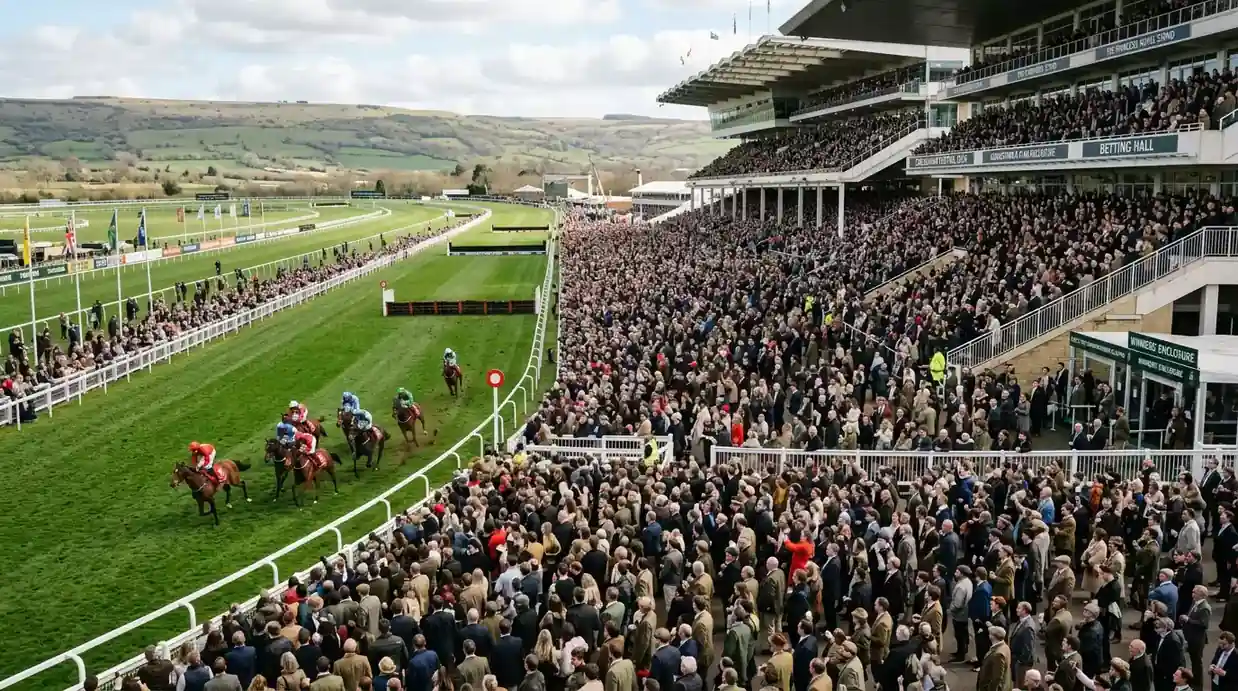
Table of Contents
- Four Days, Forty Races, and the Calendar’s Biggest Each-Way Opportunities
- Cheltenham Festival: the Handicap Each-Way Goldmine
- Aintree and the Grand National: Where Each-Way Betting Is the Default
- Top online casinos in the UK
- Royal Ascot: Flat Racing’s Festival of Big-Field Each-Way Value
- Festival Bankroll Strategy: Spreading Your Each-Way Budget Across the Week
- Festival Each-Way Questions Answered
Four Days, Forty Races, and the Calendar’s Biggest Each-Way Opportunities
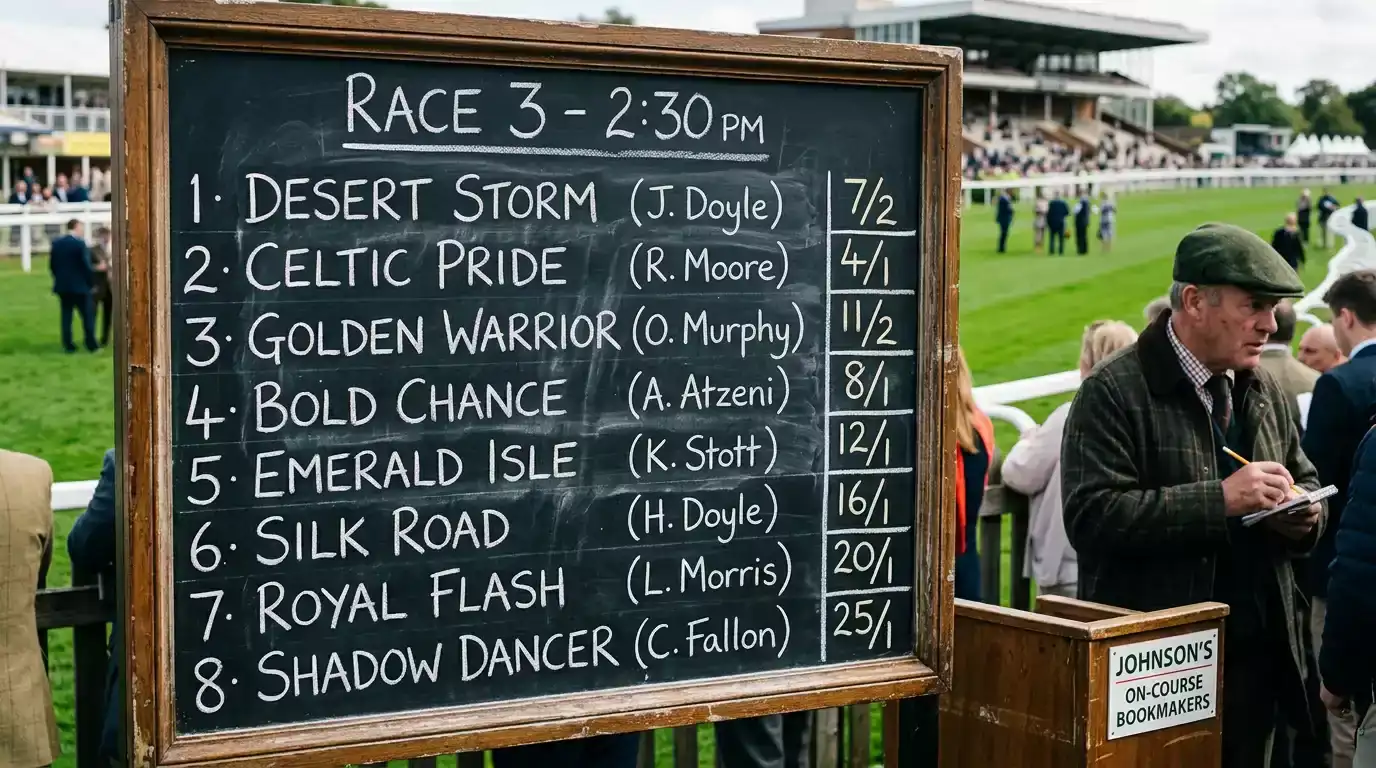
The Cheltenham Festival in March 2023 was the week that turned my annual each-way approach from a hobby into a system. I placed twelve each-way bets across the four days — all in handicaps, all on horses between 10/1 and 25/1. Seven placed. Two won. The total outlay was a hundred and twenty pounds. The total return, driven almost entirely by place-side compounding in doubles and a Patent, was just under nine hundred. That week convinced me that festivals are not just the highlight of the racing calendar — they are structurally designed for the each-way bettor.
Major racing festivals concentrate everything that makes each-way betting work: large fields, competitive handicaps, four-place terms, generous ante-post prices, and promotional enhancements from bookmakers competing for share of a massive betting market. Approximately 250 million pounds was wagered on the 2025 Grand National alone, per grandnational.fans estimates, and the festival weeks surrounding that single race generate multiples of that figure across the full programme.
Cheltenham Festival: the Handicap Each-Way Goldmine
Cheltenham’s four-day meeting in March features the deepest quality handicaps in the jumps calendar. The Coral Cup, the County Hurdle, the Grand Annual, the Martin Pipe Conditional Jockeys’ Handicap Hurdle — these races routinely attract fields of twenty or more runners, triggering four places at 1/4 odds. The combination of deep fields, high-class runners at big prices, and festival conditions (fast ground for jumps, electric atmosphere, horses at peak fitness) creates an environment where each-way value is structural, not accidental.
HBLB’s Said Delmonte noted that bookmaker gross profits in early 2025 ran well above recent norms, with Cheltenham particularly bookmaker-friendly. That statistic tells you that the public collectively lost more than usual at the festival. But it also reveals an opportunity: when the market overestimates favourites and the results scatter toward longer-priced horses, the each-way place payouts on those outsiders are funded by the losing win bets of the masses. Being on the right side of that asymmetry is what festival each-way betting is about.
My Cheltenham approach is built around three rules. First, only bet handicaps — the championship races attract heavy favourite support and small fields where each-way terms are thin. Second, target horses trained by handlers with a specific Cheltenham record in that race type. Third, cross-reference with the ante-post market to identify horses whose prices have shortened since the winter, which indicates smart money and training-ground confidence. An each-way strategy at Cheltenham is not about finding a dark horse — it is about identifying the horse the market has underpriced for a place finish in a specific competitive context.
Aintree and the Grand National: Where Each-Way Betting Is the Default
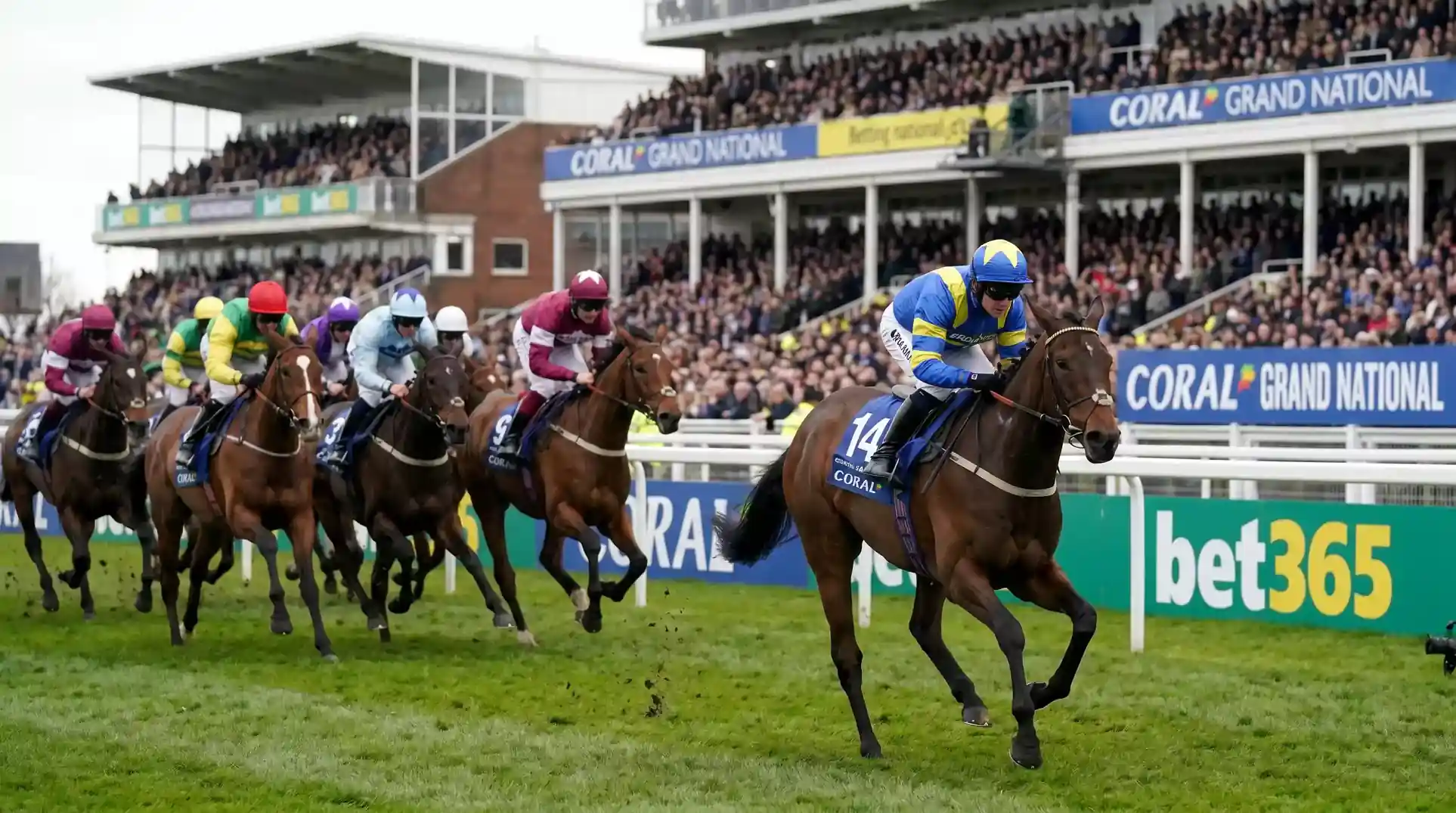
Roughly 75% of all Grand National bets are each-way, per grandnational.org.uk data. No other race in the calendar comes close to that proportion. The Grand National’s unique conditions — forty runners, four and a quarter miles, thirty fences, four places at 1/4 odds — make it a natural each-way event because the probability of any single horse winning is low, but the probability of a given horse placing is meaningful.
The maths on a 25/1 shot in the National illustrates why. Place odds at 1/4 are 25/4 = 6.25/1. In a forty-runner race, finishing in the top four represents 10% of the field by position. But the Grand National is not a uniform-probability event; fences, stamina, and jumping ability create a non-linear probability distribution that compresses the likely placers into a subset of perhaps fifteen to twenty realistic contenders. If your selection is among that realistic subset, the true place probability is closer to 20-25% — which against 6.25/1 place odds represents clear expected value.
Entain’s Simon Clare highlighted that 82% of cash wagers on the Grand National are five pounds or less, and racing needs big names to generate casual interest. Those small each-way stakes from casual bettors inflate the place pools and create opportunities for more informed punters who have done the form work. The Grand National’s each-way market is the one day of the year where the casual majority and the disciplined minority are betting the same bet type — and the disciplined minority has the informational edge.
Top online casinos in the UK
- WinBeastBonus: €5000 + 500 FS + €650 Freebet · Payout speed: 1-3 business days
- NightWinBonus: £900 + 400 free spins · Payout speed: 1-3 business days
- ZombillionBonus: Welcome Pack 250% up to £4000 + 200 FS · Payout speed: 1-3 business days
- AmunbetBonus: Join now and get 450% up to 2,700 GBP + 450 FS · Payout speed: 1-3 business days
- JetsetspinsBonus: 200% Bonus + 100 Free Spins + Free Royal Wheel · Payout speed: 1-3 business days
- BritsinoBonus: Welcome Package – Get your £2,200 + 2,000 FS · Payout speed: 1-3 business days
Royal Ascot: Flat Racing’s Festival of Big-Field Each-Way Value
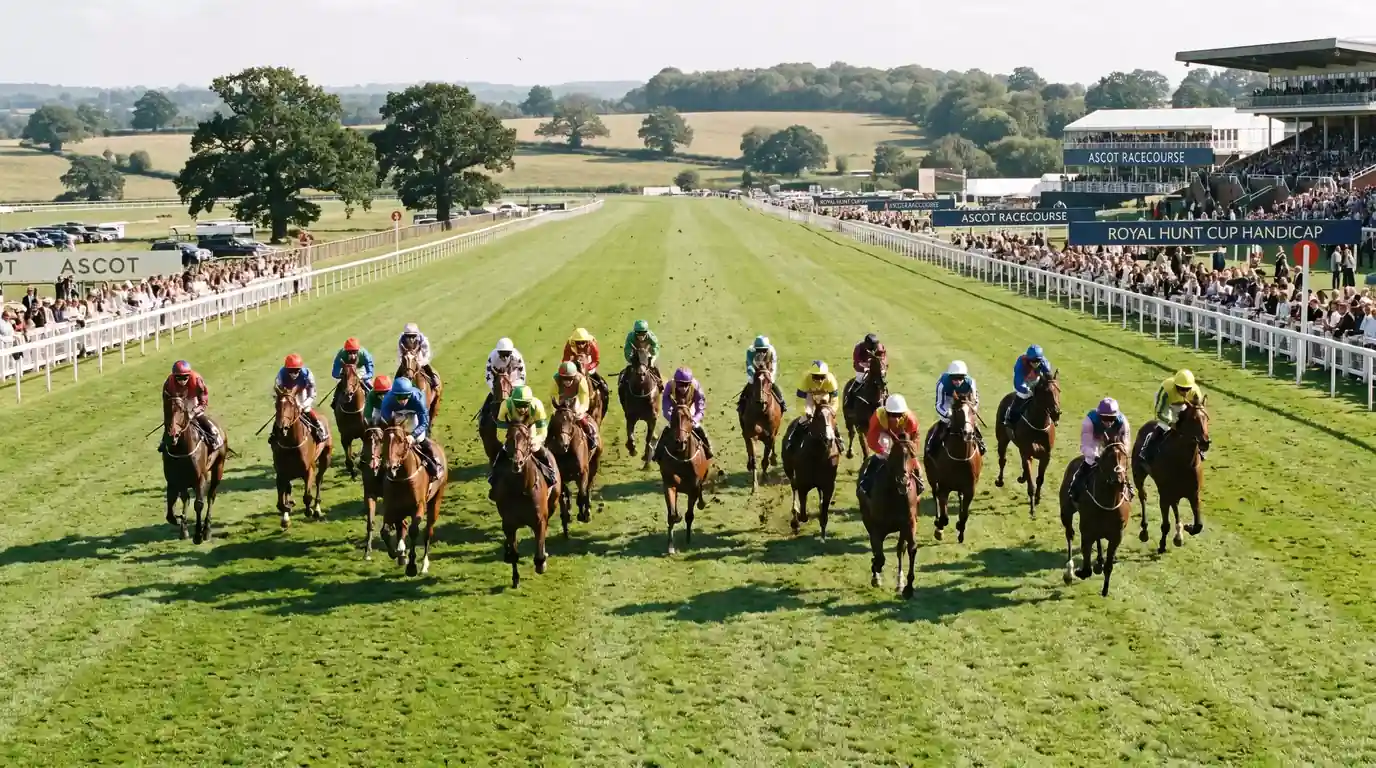
Royal Ascot shifts the each-way calendar from jumps to flat, and the dynamics change accordingly. The heritage handicaps — the Royal Hunt Cup, the Wokingham Stakes, the Britannia Stakes — attract fields of twenty to thirty runners. Place terms at four or five places, depending on the specific promotion, make these races prime each-way territory.
Flat handicaps at Ascot demand a different analytical approach than Cheltenham. The draw is a significant factor, particularly in the straight-course races. Speed figures, sectional data, and course-specific form carry more weight than the trainer-centric approach that works at Cheltenham. The prices in Royal Ascot handicaps can be extreme — 33/1, 40/1, 50/1 — because the fields are so large and the market spreads the probability across dozens of runners.
UK racing’s prize money reached a record 194.7 million pounds in 2025, per RCA’s Kevin Walsh, and Royal Ascot’s prize fund is a significant contributor. The purses attract the best-handicapped horses from across Britain and Ireland, which ensures that the each-way opportunities are backed by genuine quality rather than inflated field sizes.
Festival Bankroll Strategy: Spreading Your Each-Way Budget Across the Week
The biggest mistake I see at festivals is front-loading the bankroll on day one. Cheltenham has four days, Aintree has three, Royal Ascot has five. The handicap programme builds across the week, and the best each-way opportunities often fall on the later days when the field compositions are clearer and the going is established.
My festival budget allocation is roughly 20% on the opening day, 25% on each of the middle days, and 30% on the final day. This weighting reflects two realities: first, the later handicaps often carry the largest fields and the most competitive markets; second, I learn from the earlier races — how the track is riding, which trainers’ horses are running well, how the pace scenarios are unfolding — and that information sharpens my selections for the remaining days.
Each-way multiples across the festival week — a double spanning Tuesday and Wednesday, a Patent across three days, a Lucky 15 across four — are structurally appealing because the place compounding across mid-priced handicap selections delivers the strongest returns. The festival environment, with its concentration of large-field races on consecutive days, is the ideal calendar window for these bet types.
Festival Each-Way Questions Answered
Do bookmakers offer extra places at all racing festivals?
Not automatically. Extra-place promotions are offered selectively by individual bookmakers, typically on the highest-profile races at Cheltenham, Aintree, and Royal Ascot. Not every race at a festival will carry extra places, and the terms vary between operators. Check each bookmaker’s promotions page on the morning of each race day for current offers.
Is it better to bet each-way singles or each-way multiples at a festival?
Singles are lower-risk and ensure you collect on every individual horse that places. Multiples offer higher returns through compounding but require multiple legs to place. A balanced approach is to place each-way singles on your strongest selections and a small each-way Patent or double on a secondary shortlist, keeping total exposure within your festival budget.
The full picture is in our guide to UK place and each-way betting.
Cheltenham in detail: place terms across the four days.
Created by the ”Horse Racing Show bet” editorial team.