Each-Way Value on Longshots: When Big Prices Mean Better Place Returns
Best Horse Racing Betting Sites – Bet on Horse Racing in 2026
 Available in US
Table of Contents
- The 33/1 Shot That Changed How I Think About Place Money
- Why Place Fractions on Longshots Create Hidden Value
- Identifying Longshots With Genuine Place Credentials
- Stake Allocation and Bankroll Management for Longshot Each-Way Bets
- Festivals and Feature Handicaps: Where Longshot Each-Way Value Peaks
- Top online casinos in the UK
- Where Longshot Each-Way Betting Earns Its Keep
The 33/1 Shot That Changed How I Think About Place Money
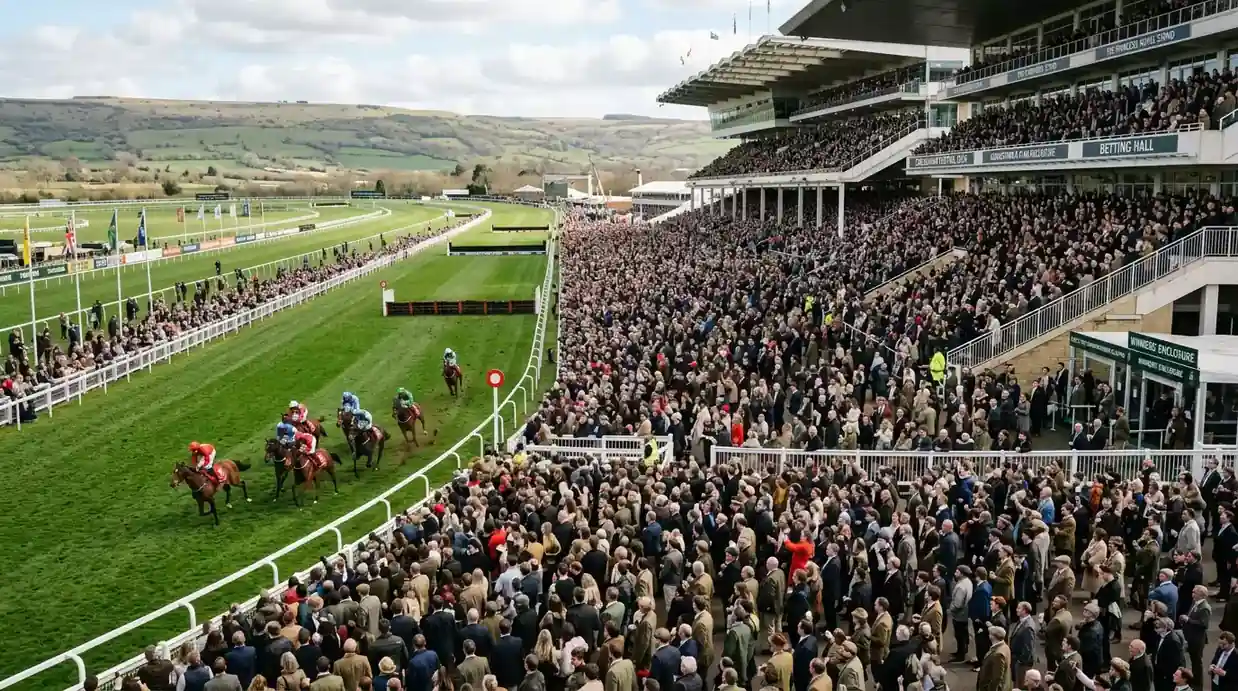
At Cheltenham in 2019, a friend backed a 33/1 outsider each-way in the County Hurdle. The horse finished fourth. He had already written off the bet when the bookie pinged his phone with a credit notification — the place return at 1/4 odds on a 33/1 shot paid 33/4, which is 8.25/1. On a tenner each way, his place portion alone returned 92.50 pounds against a total outlay of twenty. He had profited handsomely from a horse that did not even finish in the first three places under normal terms, because the County Hurdle’s large field triggered four-place each-way terms. That is the mathematics of longshot each-way betting in action.
Most casual punters think of each-way as a safety net. Professionals think of it as a vehicle for extracting place value from big-priced runners in large fields. The distinction matters enormously. When the win odds stretch past 16/1, the place fraction starts producing odds that would be considered a strong bet in their own right — and if the place probability is higher than those odds imply, you have found genuine value.
Why Place Fractions on Longshots Create Hidden Value
The arithmetic is straightforward but its implications are underappreciated. At 1/4 odds on a 20/1 shot, the place terms are 5/1. At 1/4 on a 40/1 shot, they are 10/1. These are stand-alone prices that many punters would accept for a horse they fancied to place in any race. The key insight is that bookmakers set win odds based primarily on win probability. Place probability is derived from win probability using their models, but those models tend to underestimate the place chances of longshots in large, competitive fields.
Favourites win approximately 30-35% of the time in British racing, according to Matchbook Insights data. But longshots place at a higher rate relative to their win probability than favourites do. A 20/1 shot has an implied win probability of roughly 4.8%. Its implied place probability at 5/1 place odds is about 16.7%. In a twenty-runner handicap where form is compressed and the pace is unpredictable, a horse with solid course-and-distance form and a capable jockey places significantly more often than 16.7% of the time. That gap between implied and actual place probability is where the edge lives.
Identifying Longshots With Genuine Place Credentials
Not every 25/1 shot deserves each-way support. The challenge is separating longshots whose price reflects genuine inferiority from those whose price reflects market neglect or unfashionable connections. Several form indicators help distinguish the two.
Course form is the strongest single predictor of place probability in big-field handicaps. A horse that has finished in the first six on its last two visits to a track has demonstrated it handles the terrain, the camber, and the typical pace of races there. The market often ignores this if the horse’s recent form at other tracks has been moderate. A horse dropping from a stiff uphill finish at Cheltenham to a flat galloping track at York might look poorly suited on paper but could be perfectly placed in a twenty-runner handicap where stamina matters less than speed.
Jockey bookings are another filter. When a leading rider takes the mount on a 25/1 outsider for a top yard, it signals the connections believe the horse has a shout. Jockeys do not waste rides on no-hopers during the peak of the flat or jumps season when opportunities are plentiful. The booking alone does not guarantee a place, but it shifts the probability upward from what the raw odds imply.
Weight is the great equaliser in handicaps, and longshots near the bottom of the weights often carry ten to fifteen pounds less than the favourite. Over a mile and a half on soft ground, that weight advantage translates into sustained energy in the closing stages — precisely when places are decided. About 250 million pounds was wagered on the 2025 Grand National alone, per grandnational.fans estimates, and the each-way longshot market in that race is the most intensely studied example of this dynamic.
Stake Allocation and Bankroll Management for Longshot Each-Way Bets
The temptation with longshots is to overbet, chasing a life-changing win return while ignoring the base rate of failure. Even when place value exists, the majority of longshot each-way bets will lose both portions. Your staking plan must accommodate long losing runs without depleting the bank.
A sensible framework allocates between 0.5% and 1% of total bankroll per each-way longshot, meaning a one-thousand-pound bank supports five to ten pounds each way per bet. At this level, a twenty-bet losing streak — entirely plausible with 25/1+ selections — costs 10-20% of the bank. A single place hit at 6/1 or 8/1 place odds recovers multiple losses. A win hit transforms the picture entirely.
The discipline is in consistency. Doubling stakes after a losing run is the fastest route to ruin in longshot betting. The edge on place returns is real but thin — it relies on volume and patience, not individual heroics. Recording every bet with its place probability estimate and actual outcome allows you to measure whether your selections are placing at a rate above the implied place odds over a meaningful sample of at least fifty bets.
Festivals and Feature Handicaps: Where Longshot Each-Way Value Peaks
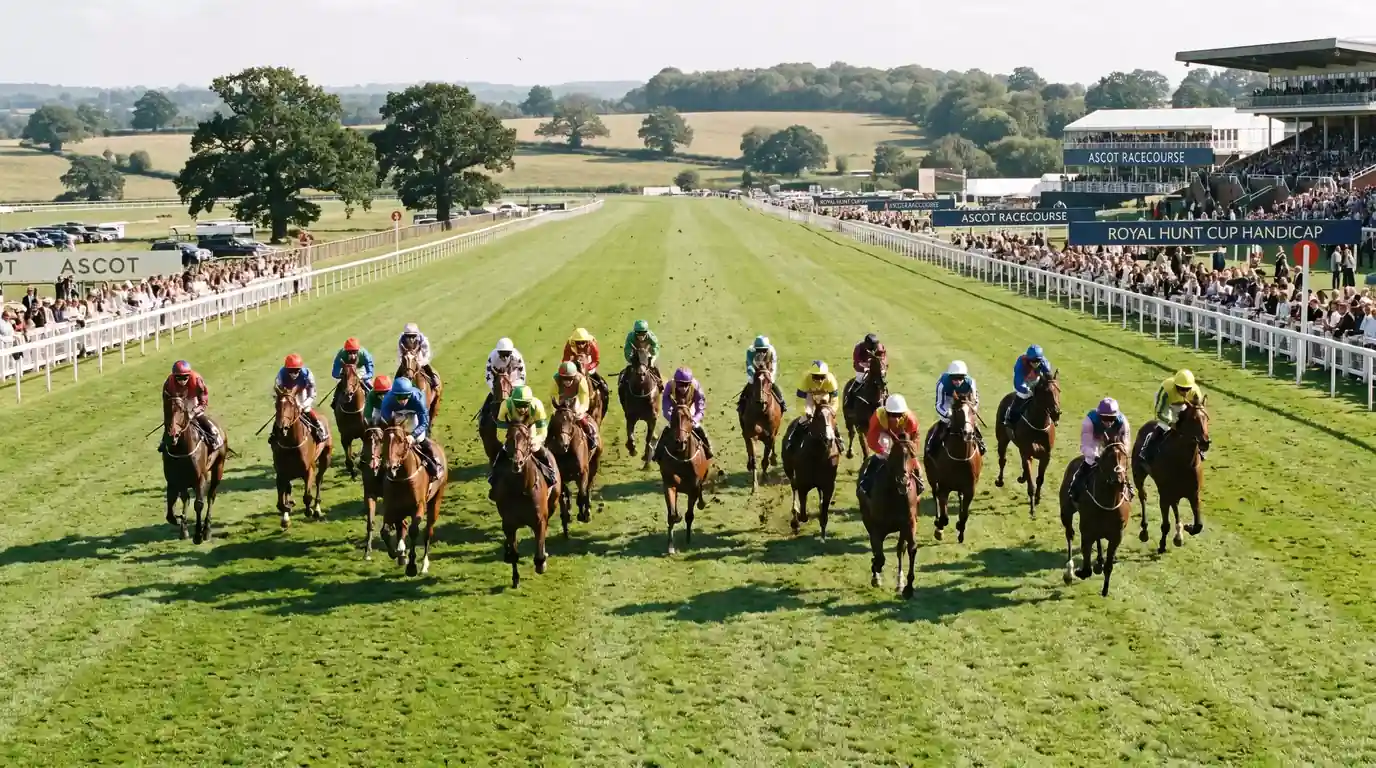
The richest each-way value on longshots appears at festivals. Cheltenham, Aintree, York’s Ebor meeting, and Glorious Goodwood all card large-field handicaps with four-place terms and fields filled with unexposed or improving types whose form has not yet been fully assimilated by the market. Data from grandnational.org.uk shows roughly 75% of Grand National bets are placed each-way, and the volume of each-way money on 20/1+ shots at these meetings confirms that casual punters intuitively grasp the appeal even if they do not formally calculate value.
HBLB analyst Said Delmonte noted that bookmaker gross profits were well above historical norms during early 2025, with Cheltenham proving particularly bookmaker-friendly. That pattern suggests the public’s longshot each-way bets were not landing at the expected rate — but one season’s results do not invalidate the underlying value proposition. Place probability in twenty-plus-runner handicaps over jumps is volatile. A single year’s data tells you almost nothing about long-term expected value.
The practical approach is to concentrate each-way longshot activity around meetings where field sizes guarantee four-place terms and where the form book is most open. Midweek all-weather handicaps at Wolverhampton may technically offer four places in large fields, but the form is tighter and the market more efficient. Festival handicaps attract horses from multiple yards across the country, creating information asymmetry that longer-priced horses can exploit.
Top online casinos in the UK
- WinBeastBonus: €5000 + 500 FS + €650 Freebet · Payout speed: 1-3 business days
- NightWinBonus: £900 + 400 free spins · Payout speed: 1-3 business days
- ZombillionBonus: Welcome Pack 250% up to £4000 + 200 FS · Payout speed: 1-3 business days
- AmunbetBonus: Join now and get 450% up to 2,700 GBP + 450 FS · Payout speed: 1-3 business days
- JetsetspinsBonus: 200% Bonus + 100 Free Spins + Free Royal Wheel · Payout speed: 1-3 business days
- BritsinoBonus: Welcome Package – Get your £2,200 + 2,000 FS · Payout speed: 1-3 business days
Where Longshot Each-Way Betting Earns Its Keep
Longshot each-way betting is not about predicting winners. It is about identifying horses whose place probability exceeds what the market implies, and backing them in races where the place terms magnify the resulting edge. The win return is a bonus — pleasant when it arrives but not the foundation of the strategy. The place return, consistently harvested across dozens of selections, is where profit accumulates. Patience, discipline, and honest record-keeping separate the punters who profit from this approach from those who simply enjoy the occasional thrill of a big-priced each-way collect.
What place odds do you get on a 25/1 each-way shot?
At standard 1/4 place terms, a 25/1 selection pays 25/4 on the place, which is 6.25/1. At 1/5 terms, the place odds are 5/1. The fraction depends on the number of runners and the bookmaker’s terms for that race. Always check terms before placing the bet, as they vary between firms and between races.
Is each-way better than win-only on longshots?
It depends on the race conditions. In large-field handicaps with four-place terms, the place portion of an each-way bet on a longshot can offer genuine standalone value. In smaller fields with only two places paid, the each-way premium may not justify itself and a win-only bet at higher stake can be more efficient.
The full picture is in our guide to UK place and each-way betting.
Reading the price properly: implied probability.
Prepared by the Horse Racing Show bet editorial staff.