Each-Way Doubles Explained: How Two Selections Create Four Bets in One Slip
Best Horse Racing Betting Sites – Bet on Horse Racing in 2026
 Available in US
Four Bets Hiding Inside Two Selections
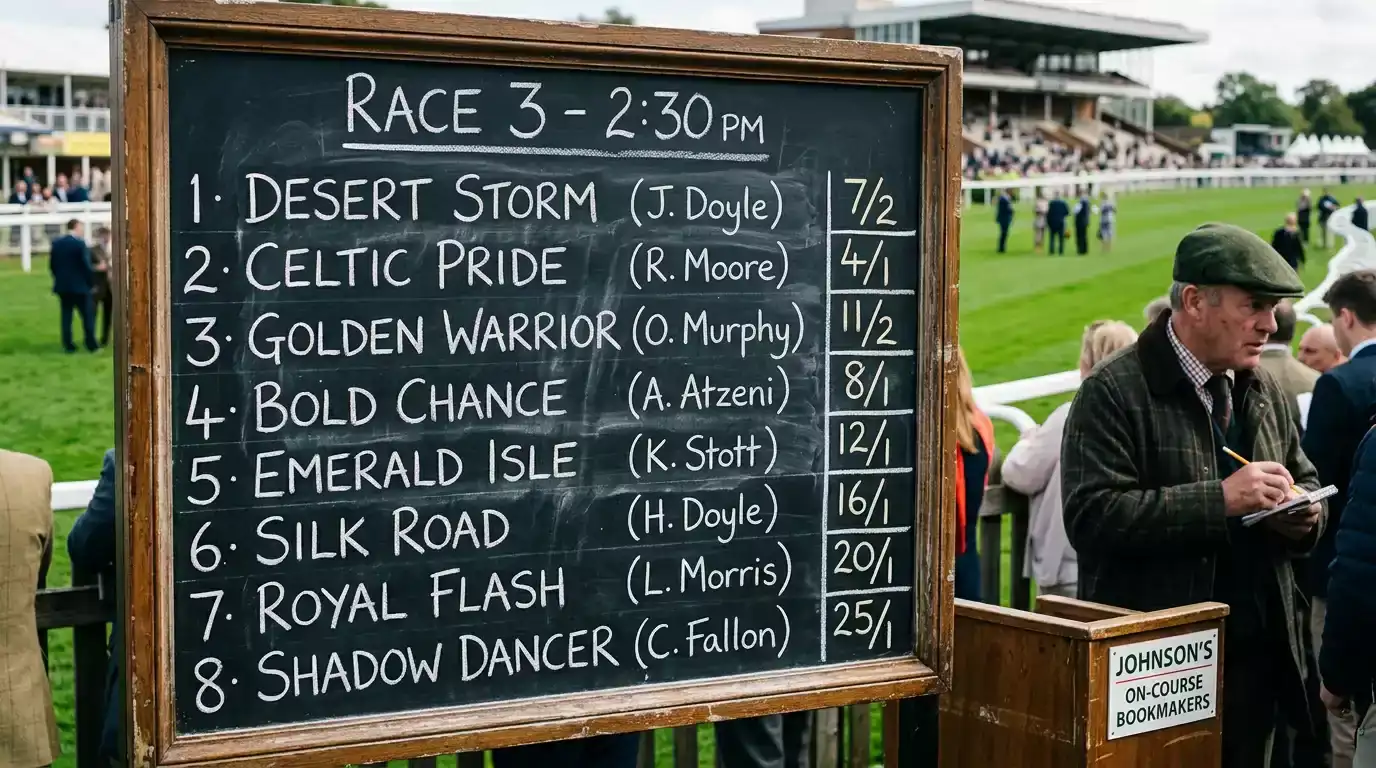
A punter at my local track once told me he had placed an each-way double and thought he had two bets running. He had four. The confusion only became clear when one horse won and the other placed — and his payout was higher than he expected because the place double had landed alongside the failed win double. That moment of pleasant surprise is the each-way double working exactly as designed, and it happens more often than people think.
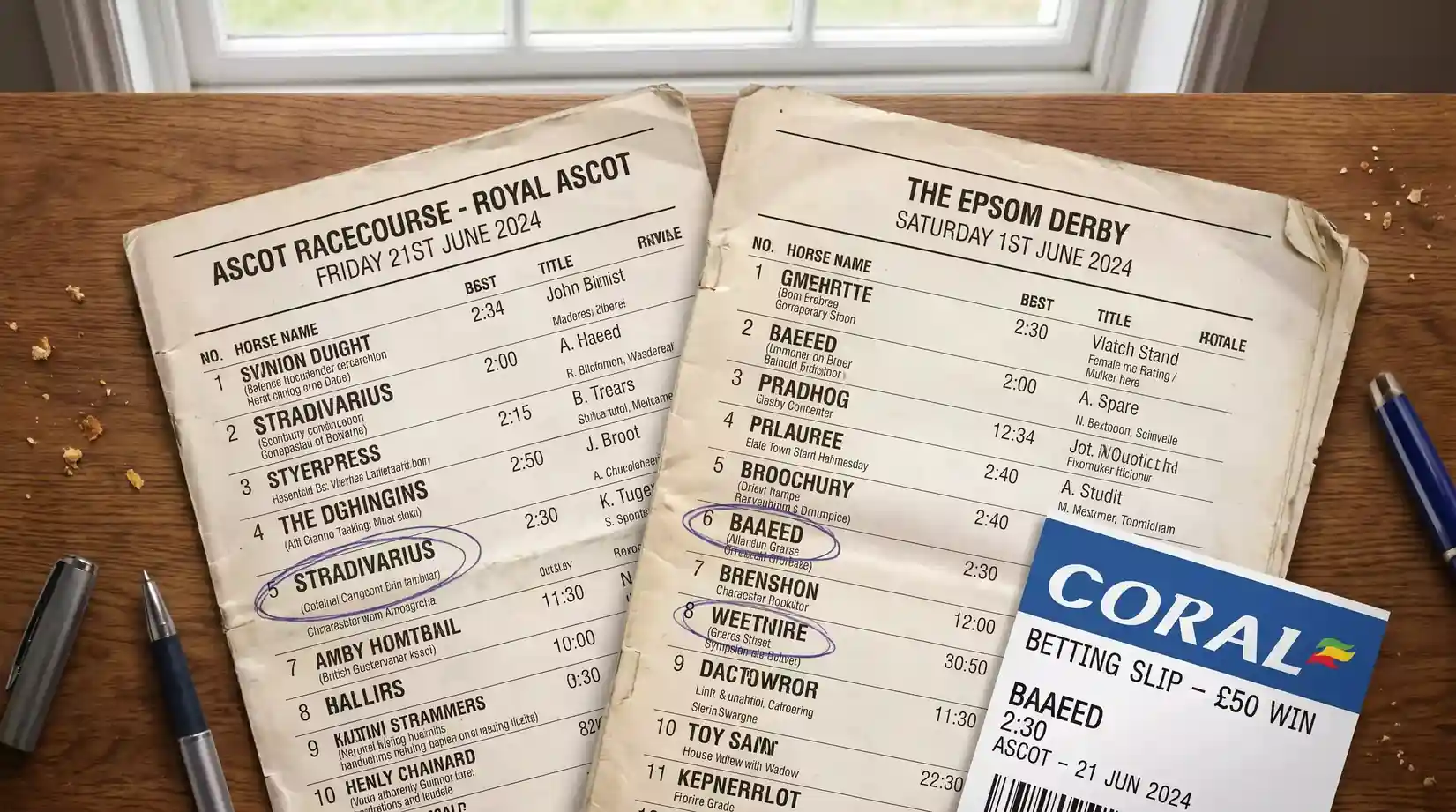
An each-way double is two bets: a win double and a place double, running in parallel on the same two selections. Your stake is doubled — five pounds each way means ten pounds total, covering five on the win double and five on the place double. If both horses win, both doubles pay. If both horses place but neither wins, the place double alone pays. If one wins and one places, the place double still pays because winning qualifies as placing.
Roughly 75% of bets on the Grand National are each-way, per grandnational.org.uk data, but each-way doubles on separate races at the same meeting are less common among casual punters — partly because the mechanics are less intuitive than a simple each-way single. That lack of familiarity is a shame, because the each-way double is one of the best vehicles for extracting value from horses with high place probabilities.
Top online casinos in the UK
- WinBeastBonus: €5000 + 500 FS + €650 Freebet · Payout speed: 1-3 business days
- NightWinBonus: £900 + 400 free spins · Payout speed: 1-3 business days
- ZombillionBonus: Welcome Pack 250% up to £4000 + 200 FS · Payout speed: 1-3 business days
- AmunbetBonus: Join now and get 450% up to 2,700 GBP + 450 FS · Payout speed: 1-3 business days
- JetsetspinsBonus: 200% Bonus + 100 Free Spins + Free Royal Wheel · Payout speed: 1-3 business days
- BritsinoBonus: Welcome Package – Get your £2,200 + 2,000 FS · Payout speed: 1-3 business days
The Win Double and the Place Double: Calculating Each One
The win double is straightforward compounding. Take two selections: Horse A at 8/1 and Horse B at 12/1. The combined win-double odds are ((8+1) x (12+1)) – 1 = 116/1. A five-pound win double returns (5 x 116) + 5 = 585 pounds if both win.
The place double uses place odds derived from each selection’s win price. At 1/4 terms for both races: Horse A place odds = 8/4 = 2/1. Horse B place odds = 12/4 = 3/1. Combined place-double odds: ((2+1) x (3+1)) – 1 = 11/1. A five-pound place double returns (5 x 11) + 5 = 60 pounds if both place.
Now here is the scenario that defines the each-way double’s appeal. Horse A wins at 8/1. Horse B finishes third (places but does not win) at 12/1. The win double loses because Horse B did not win. The place double pays because both horses finished in the places — Horse A placed by virtue of winning, Horse B placed by finishing third. Your return: 60 pounds from the place double, against a 10-pound total outlay. That is a 50-pound profit on a bet where one horse failed to win.
The compounding effect on the place double is the engine of profitability. Two mid-priced horses each placing at 1/4 place odds creates a place-double return that substantially exceeds what two separate each-way singles would deliver. Favourites in British racing win 30-35% of the time, per Matchbook Insights analysis, but place rates are significantly higher — and those elevated place rates compound across two legs to produce a stronger strike rate on the place double than the win double.
When Each-Way Doubles Outperform Two Each-Way Singles
Two each-way singles on the same selections cost the same total stake as an each-way double — but the payout structures differ. Singles protect you if only one horse places: you collect the place payout on that single, which covers at least part of your losses on the other. In a double, if only one horse places, both the win double and the place double lose. You need both horses to perform.
The double wins when both selections are strong place candidates. If your handicapping identifies two horses with a place probability above 50% each, the probability that both place is above 25%. At combined place-double odds of 11/1, a 25% strike rate produces a comfortable long-term profit. The equivalent singles would return less per successful pairing because there is no compounding.
The breakeven point is clear: if you believe both horses are likely to place, the double delivers superior returns per pound staked. If you think one is a strong bet and the other is speculative, singles protect your downside because a single placed horse at least returns something. The each-way double demands conviction on both selections. Half-hearted second legs are where the bet type bleeds money.
Building Each-Way Doubles From Big-Field Handicaps
The natural pairing for an each-way double is two big-field handicaps on the same card — or across two meetings on the same day. Races with sixteen or more runners pay four places at 1/4 odds, and the combination of large fields and generous place terms maximises the probability that both legs place.
The UK Gambling Commission reported remote horse racing GGY of 766.7 million pounds in the year to March 2025, and Saturday ITV-televised cards — which typically feature at least two competitive handicaps — attract the heaviest each-way activity. Pairing selections from two such handicaps into an each-way double is a natural extension of the each-way approach that most serious punters already apply to singles.
Timing matters too. Pairing a selection from the early card with one from the afternoon feature lets you assess going conditions and market moves between legs. If the first selection places comfortably, you head into the second race knowing the place double is still alive — a useful psychological edge that helps you stick to your staking plan rather than chasing with impulsive additional bets.
The discipline is in resisting the temptation to add a third leg and create a treble. Each additional leg reduces the probability of landing the place portion, and the compounding benefit plateaus quickly against the declining strike rate. Two strong place candidates in an each-way double hit more often than three in a treble — and the mathematics of each-way return calculations confirm that the double is the sweet spot for combining risk and reward.
Each-Way Double Questions Answered
Does a winning horse count as placed in an each-way double?
Yes. A horse that wins the race is deemed to have placed, because the place terms cover all finishing positions from first up to the number of places paid. If one horse wins and the other places, the place double pays because both legs are settled as placed. The win double only pays if both horses finish first in their respective races.
What happens to an each-way double if one selection is a non-runner?
If one leg is a non-runner, that leg is typically voided. The each-way double is recalculated as an each-way single on the remaining selection. Your stake remains the same, but the potential return drops because the compounding effect of the double is removed.
The full picture is in our guide to UK place and each-way betting.
The bigger multiples: the each-way Lucky 15.
Published by the Horse Racing Show bet team.