Dutching vs Each-Way: Covering Several Outcomes in One Race
Best Horse Racing Betting Sites – Bet on Horse Racing in 2026
 Available in US
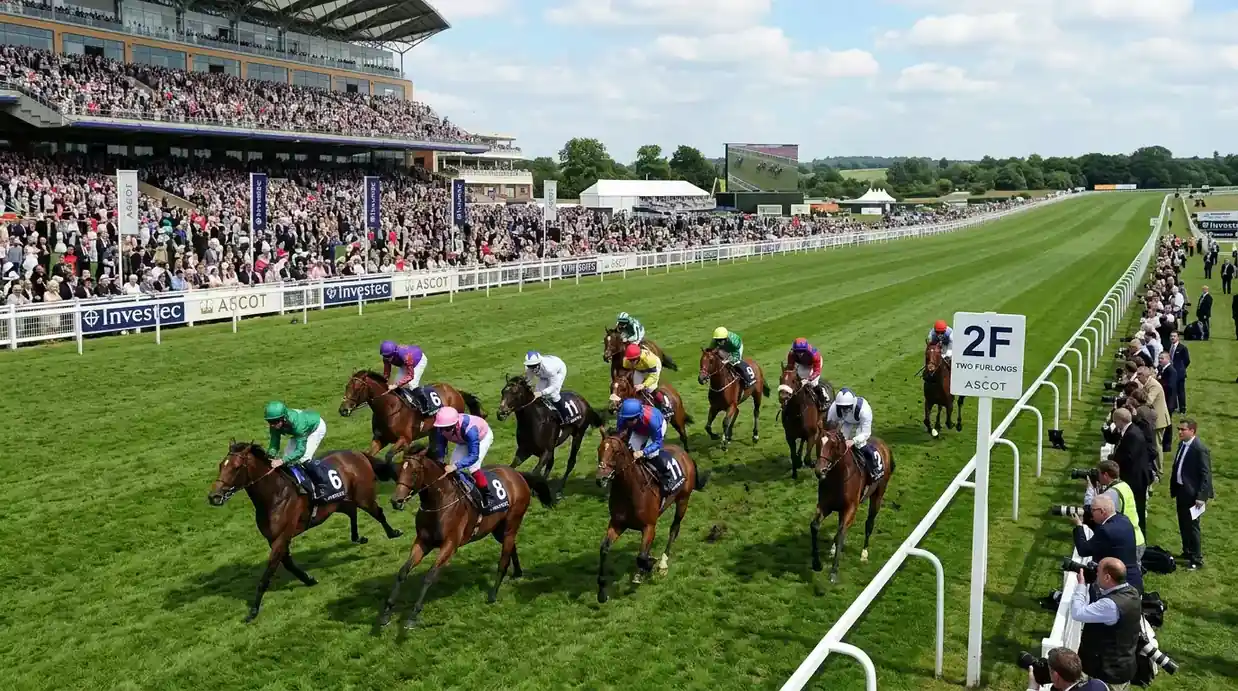
Table of Contents
- One Race, Two Philosophies
- How Dutching Works: Equal Profit From Unequal Odds
- When Dutching Beats Each-Way: Races With Clear Contenders
- Top online casinos in the UK
- When Each-Way Beats Dutching: Handicaps and Big Fields
- Combining Both: Dutch the Win, Each-Way the Outsider
- Dutching vs Each-Way Questions Answered
One Race, Two Philosophies
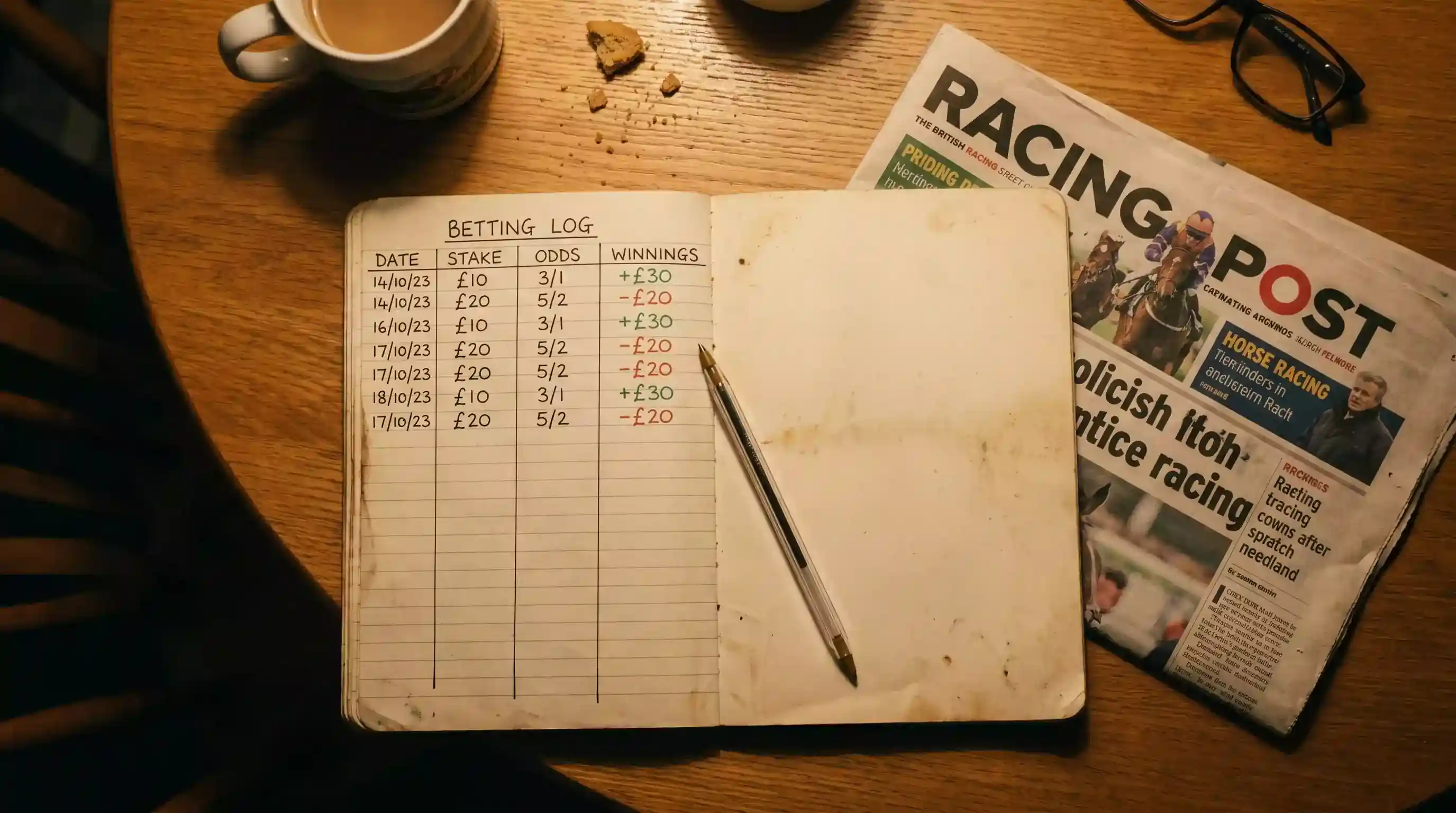
I spent most of my early years in racing as a strict each-way bettor. Then a friend showed me his dutching spreadsheet — stakes distributed across three horses in the same race, calibrated so that whichever one won, the return was identical. The precision appealed to me. No place bet, no fraction, no dead-heat complications. Just win bets on multiple horses, weighted to produce the same profit regardless of which one crossed the line first. It took me a full season of running both approaches in parallel to understand when each one earns its keep.
Dutching and each-way betting solve different problems. Each-way covers one horse across two outcomes — winning and placing. Dutching covers multiple horses across a single outcome — winning. The total outlay can be similar, but the risk profiles, the return structures, and the edges they exploit are fundamentally different. Understanding both — and knowing which to deploy in a given race — is the mark of a bettor who thinks about the whole market rather than a single selection.
How Dutching Works: Equal Profit From Unequal Odds
Dutching distributes your total stake across two or more selections in proportion to their odds, so that any winner produces the same net return. If you want to dutch Horse A at 5/1 and Horse B at 8/1 with a total budget of fifty pounds, the calculation weights more money on the shorter-priced horse and less on the longer-priced one.
The formula is: individual stake = total budget x (1 / odds+1) / sum of all (1 / odds+1). For a two-horse dutch at 5/1 and 8/1: stake on A = 50 x (1/6) / (1/6 + 1/9) = 50 x 0.1667 / 0.2778 = 30 pounds. Stake on B = 50 – 30 = 20 pounds. If A wins: (30 x 5) + 30 = 180. If B wins: (20 x 8) + 20 = 180. Either way, you collect 180 on a 50-pound outlay — a 130-pound profit, roughly 2.6/1 on your total stake.
The critical constraint is the overround. If the combined implied probabilities of your dutched selections exceed your target return percentage, the dutch produces a loss even when a covered horse wins. In a highly competitive market where bookmakers have squeezed the prices, dutching three or four horses can consume so much of the available margin that the return barely exceeds the stake. Remote horse racing betting generated 766.7 million pounds in GGY in the year to March 2025, per the UK Gambling Commission — and the bookmaker’s margin embedded in those prices is precisely what the dutching bettor is fighting against.
When Dutching Beats Each-Way: Races With Clear Contenders
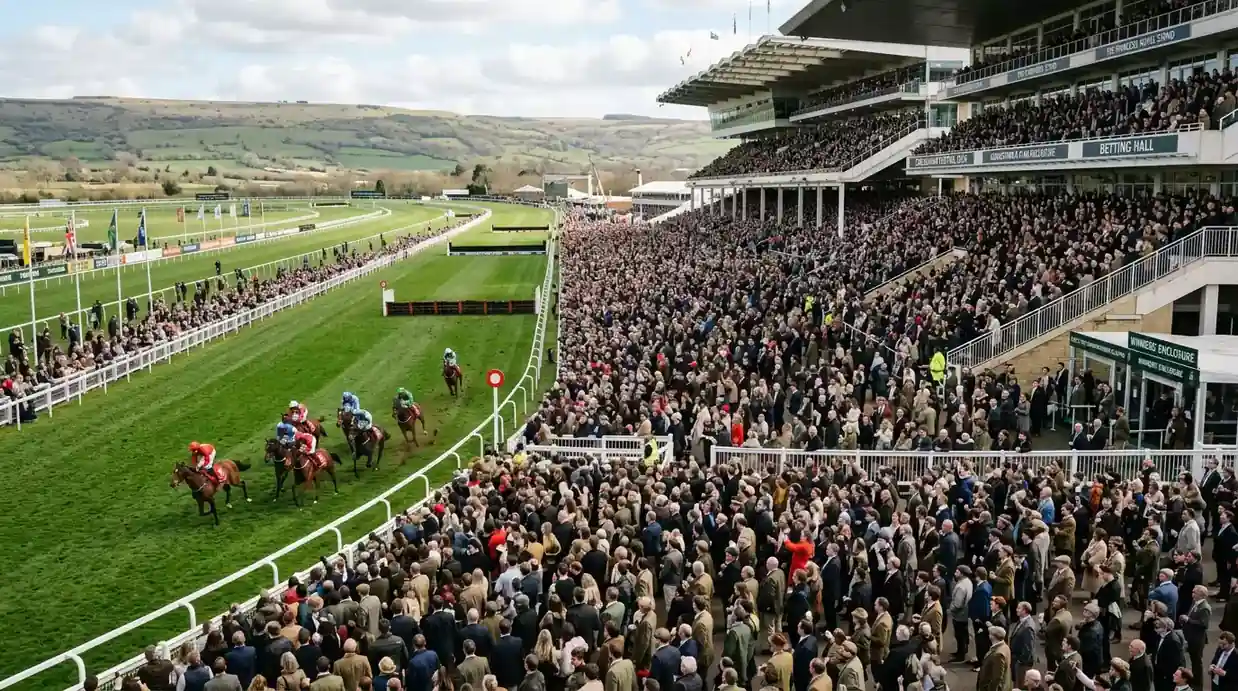
Dutching is strongest in races where you can narrow the win to two or three realistic contenders and the combined implied probability of those contenders is below 100%. Small-field non-handicap races — Group races, conditions stakes, novice events with a dominant trainer — often fit this profile. The form points strongly to a short list, and the prices on that short list offer a combined value that exceeds the breakeven threshold.
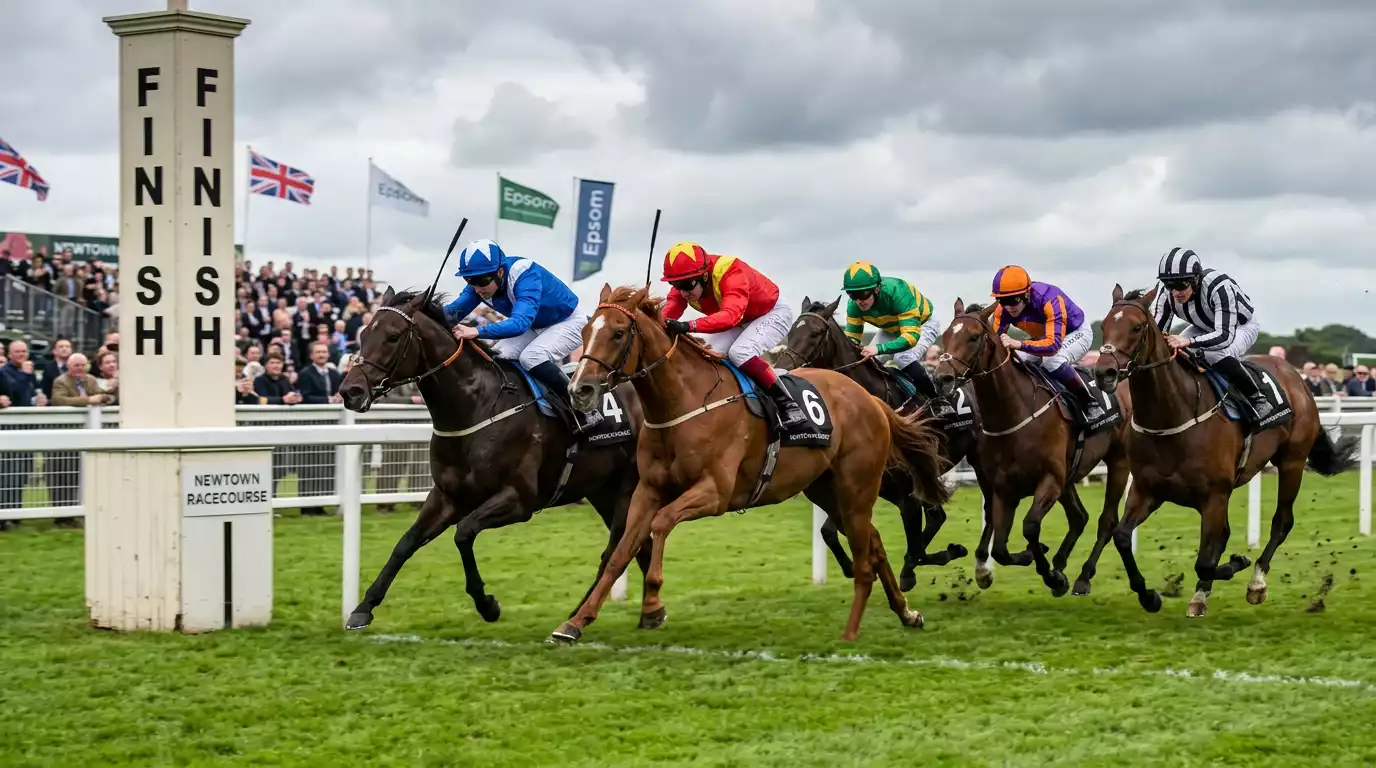
In a seven-runner Group 3 with two clear market leaders at 5/2 and 7/2, dutching both costs you nothing in place-bet dead weight. An each-way bet on either horse would add a place stake that is expensive relative to the return in a small field paying only two places. The dutch concentrates your entire budget on the win outcome, which is the only outcome worth pursuing when the field is small and the separation is clear.
Dutching also excels when the place fraction offers poor value. In a race paying 1/5 place terms — typically non-handicaps with eight to eleven runners — the each-way place return is compressed. A 6/1 shot at 1/5 gives you place odds of just 1.2/1. If you estimate that two or three horses are seriously competitive for the win, dutching them at their win prices delivers a more efficient return per pound staked than an each-way bet that includes a thin place component.
Top online casinos in the UK
- WinBeastBonus: €5000 + 500 FS + €650 Freebet · Payout speed: 1-3 business days
- NightWinBonus: £900 + 400 free spins · Payout speed: 1-3 business days
- ZombillionBonus: Welcome Pack 250% up to £4000 + 200 FS · Payout speed: 1-3 business days
- AmunbetBonus: Join now and get 450% up to 2,700 GBP + 450 FS · Payout speed: 1-3 business days
- JetsetspinsBonus: 200% Bonus + 100 Free Spins + Free Royal Wheel · Payout speed: 1-3 business days
- BritsinoBonus: Welcome Package – Get your £2,200 + 2,000 FS · Payout speed: 1-3 business days
When Each-Way Beats Dutching: Handicaps and Big Fields
Each-way betting dominates in large-field handicaps for a structural reason: dutching four or five horses in a twenty-runner race is expensive and often pushes the combined implied probability above 100%. The overround in a twenty-runner handicap is wide, and covering enough horses to feel confident about catching the winner consumes the available margin.
Each-way, by contrast, puts your money on one horse but covers two outcomes. In a twenty-runner handicap paying four places at 1/4 odds, a 14/1 shot has place odds of 3.5/1. The place probability of a genuine contender in that field — estimated at 25-30% — makes the each-way structure efficient because the place portion has a realistic chance of collecting independently of the win.
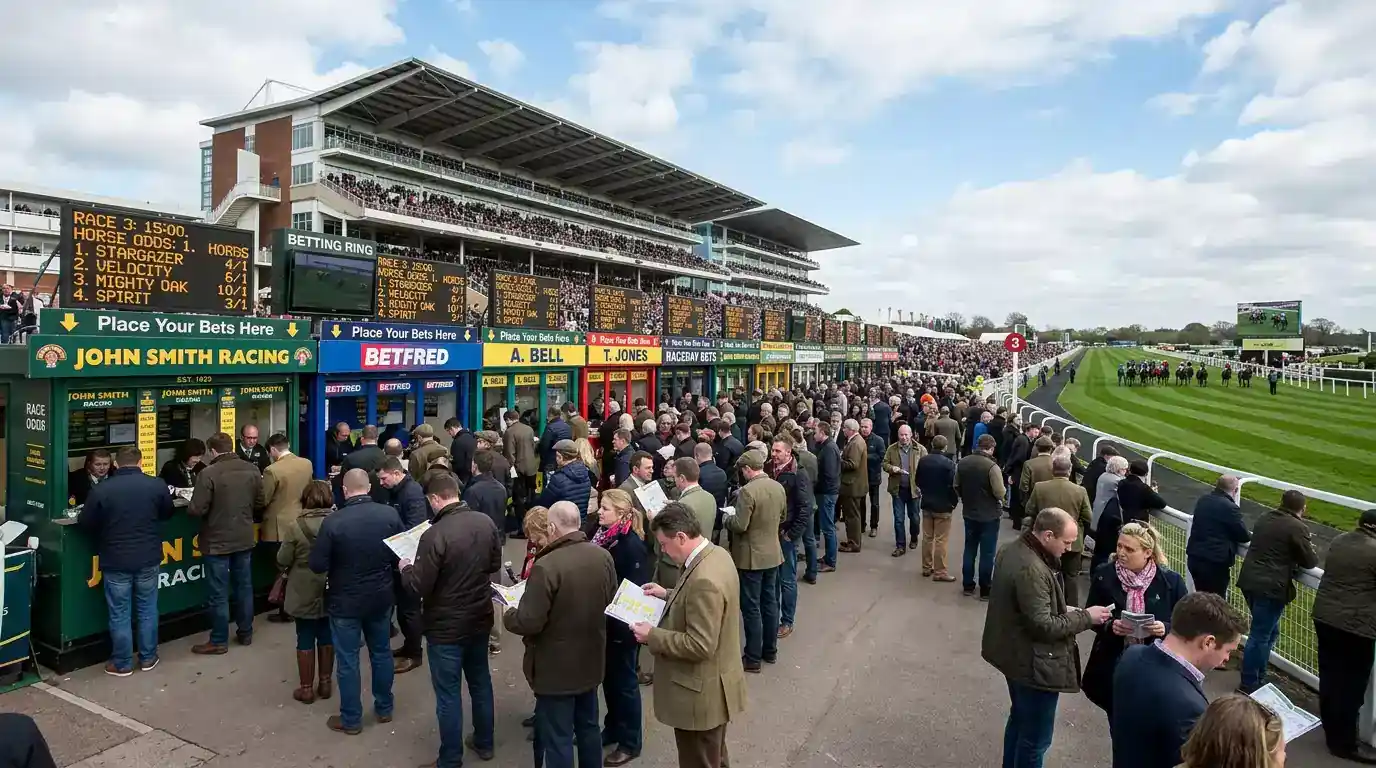
Roughly 75% of all bets on the Grand National are each-way, per grandnational.org.uk data. Nobody dutches the Grand National, because covering enough horses to have a realistic shot at the winner would require dutching eight to twelve selections — at which point the combined stake eliminates any meaningful profit even if one of them wins. The each-way approach accepts a narrower target (one horse, two outcomes) in exchange for a more concentrated use of capital.
Combining Both: Dutch the Win, Each-Way the Outsider
The most sophisticated approach I use is a hybrid. In a twelve-runner race, I might dutch two horses I think will fight out the finish — placing win bets on both at calibrated stakes — and simultaneously back a third horse each-way at a bigger price, targeting the place return if it runs into the frame without winning.
The logic: the dutch covers the two most likely winners at efficient combined odds. The each-way bet on the outsider provides a high-return backup if the race produces an unexpected place outcome. The total outlay is the sum of the dutch budget plus the each-way stake, and the strategic discipline is in sizing each component so that the combined exposure stays within your bankroll tolerance.
This hybrid is not for every race. It works when the form suggests a clear top two or three, but the handicap structure means an outsider could easily fill a place position. Mid-grade handicaps on decent cards — twelve to sixteen runners, competitive but not chaotic — are the ideal setting. Festival championship races and small-field Group events are poor candidates because the form hierarchy is either too compressed or too steep for the hybrid to add value.
Dutching vs Each-Way Questions Answered
Can you dutch place bets instead of win bets?
In theory, yes — you can place multiple place bets or exchange-back-to-place bets on different horses, calibrated so that any placing horse returns the same amount. In practice, this is difficult at fixed odds because place-only markets are not always available, and the prices may not support a profitable dutch. Exchange place markets offer better transparency for place-dutching.
Is dutching legal at UK bookmakers?
Yes. Dutching is simply placing multiple win bets on different horses in the same race. There is no rule against it. However, some bookmakers monitor patterns of dutch betting and may restrict accounts they consider too consistently profitable. This is a commercial decision by the operator, not a regulatory prohibition.
The full picture is in our guide to UK place and each-way betting.
The staking side of either method: the staking plans.
Prepared by the Horse Racing Show bet editorial staff.