Place Terms at the Cheltenham Festival: Navigating Each-Way Markets Across Four Days
Best Horse Racing Betting Sites – Bet on Horse Racing in 2026
 Available in US

Table of Contents
- Four Days That Rewrite the Each-Way Rulebook
- Top online casinos in the UK
- Championship Races: Small Fields, Tight Place Terms
- Festival Handicaps: The Each-Way Punter’s Playground
- Enhanced and Extra Place Promotions During the Festival
- Course Form and the Cheltenham Place Factor
- A Four-Day Place Betting Framework
Four Days That Rewrite the Each-Way Rulebook
I remember my first Cheltenham Festival as a bettor — not the winners, but the confusion. Every race seemed to have different place terms. The Champion Hurdle paid two places. The handicap hurdle on the same card paid four. A novice chase paid three. I was treating all of them the same way, firing each-way bets without checking whether the terms justified the stake. By Gold Cup day, I had learned the hard way that Cheltenham’s programme is specifically designed to test different types of horses, and each race’s field size creates its own place-market dynamics.
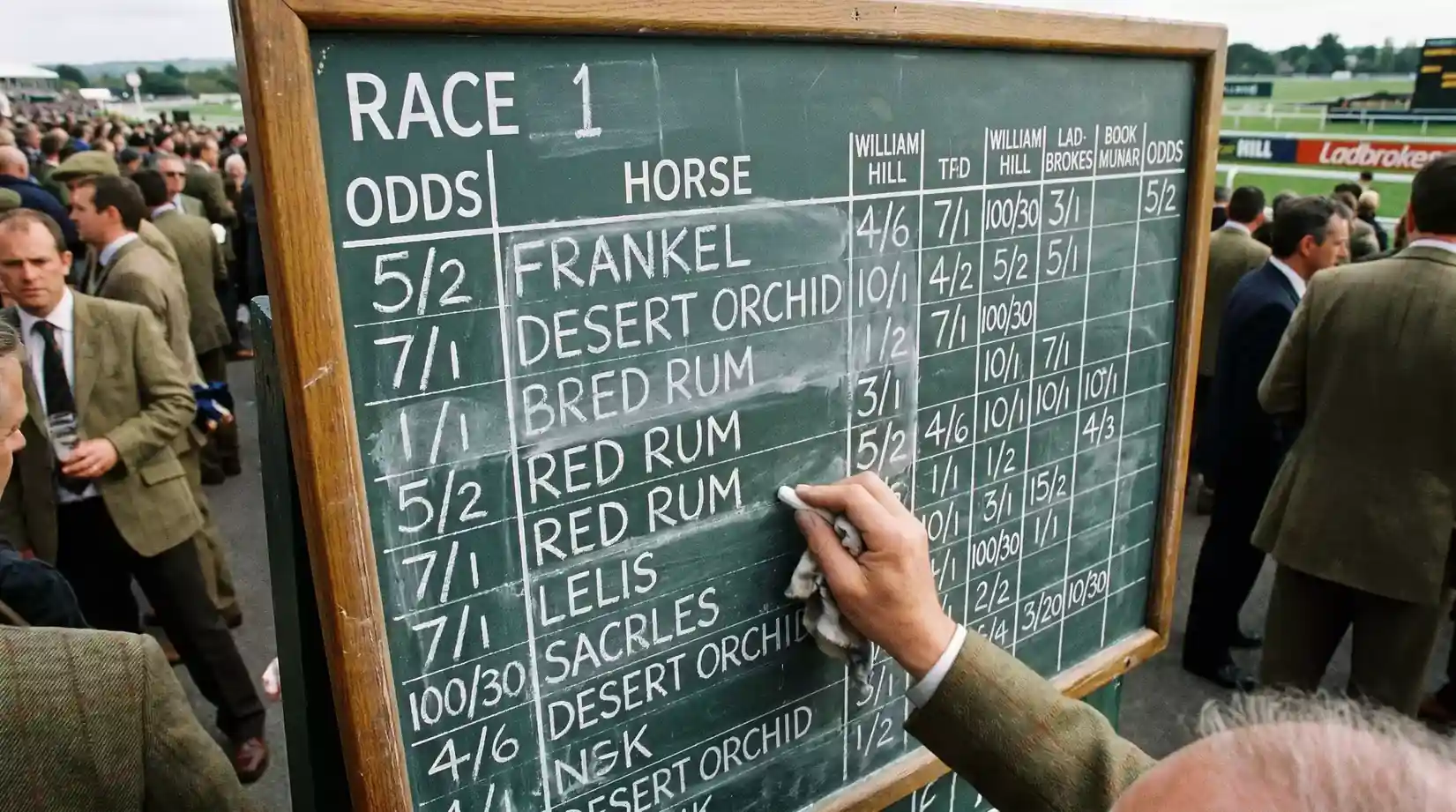
The Festival crams twenty-eight races into four days, mixing championship Grade 1s with wide-open handicaps and everything between. Field sizes range from six or seven in the top-level championship races to twenty-four in the big handicaps. Each category demands a different each-way approach, and punters who apply a single strategy across all twenty-eight races leave money on the table — or worse, pour it in.
Top online casinos in the UK
- WinBeastBonus: €5000 + 500 FS + €650 Freebet · Payout speed: 1-3 business days
- NightWinBonus: £900 + 400 free spins · Payout speed: 1-3 business days
- ZombillionBonus: Welcome Pack 250% up to £4000 + 200 FS · Payout speed: 1-3 business days
- AmunbetBonus: Join now and get 450% up to 2,700 GBP + 450 FS · Payout speed: 1-3 business days
- JetsetspinsBonus: 200% Bonus + 100 Free Spins + Free Royal Wheel · Payout speed: 1-3 business days
- BritsinoBonus: Welcome Package – Get your £2,200 + 2,000 FS · Payout speed: 1-3 business days
Championship Races: Small Fields, Tight Place Terms
The headline events — Champion Hurdle, Queen Mother Champion Chase, Stayers’ Hurdle, Gold Cup — typically attract between eight and fourteen runners. Standard terms pay three places at 1/5 the win odds. These are races where the favourite’s class usually tells, and the place market is dominated by a handful of genuine contenders.
Each-way betting in these races is less attractive than in handicaps because the place fraction at 1/5 produces thinner returns and the favourite’s elevated place probability compresses the value available on other runners. Matchbook Insights analysis puts favourite win rates at 30-35% across all racing, but in championship Grade 1 races, the favourite’s win rate is often higher because the class gap between the top two or three and the rest of the field is wider.
The place bet on a 10/1 shot in a ten-runner Champion Hurdle pays 2/1 at 1/5 terms. That implies a place probability of 33%. In a race where the first two in the betting have a combined place probability of roughly 70-80%, the remaining 120-130% of place probability is spread across eight other runners. The 33% implied by 2/1 is plausible for a class performer stepping up, but generous for a speculative outsider with little top-level form. The each-way value in championship races exists, but only on specific types of runners — proven horses with consistent top-three finishes at the highest level, not hopeful each-way longshots.
Festival Handicaps: The Each-Way Punter’s Playground
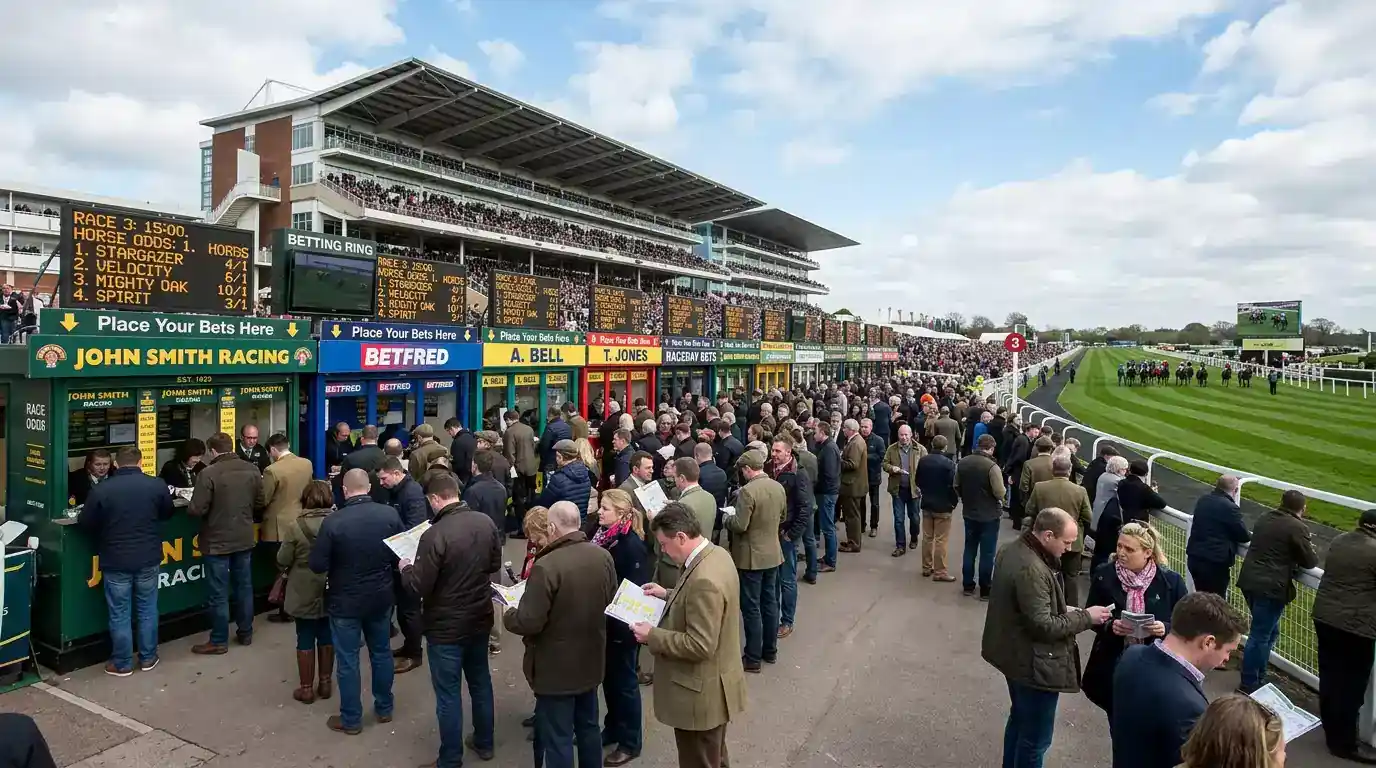
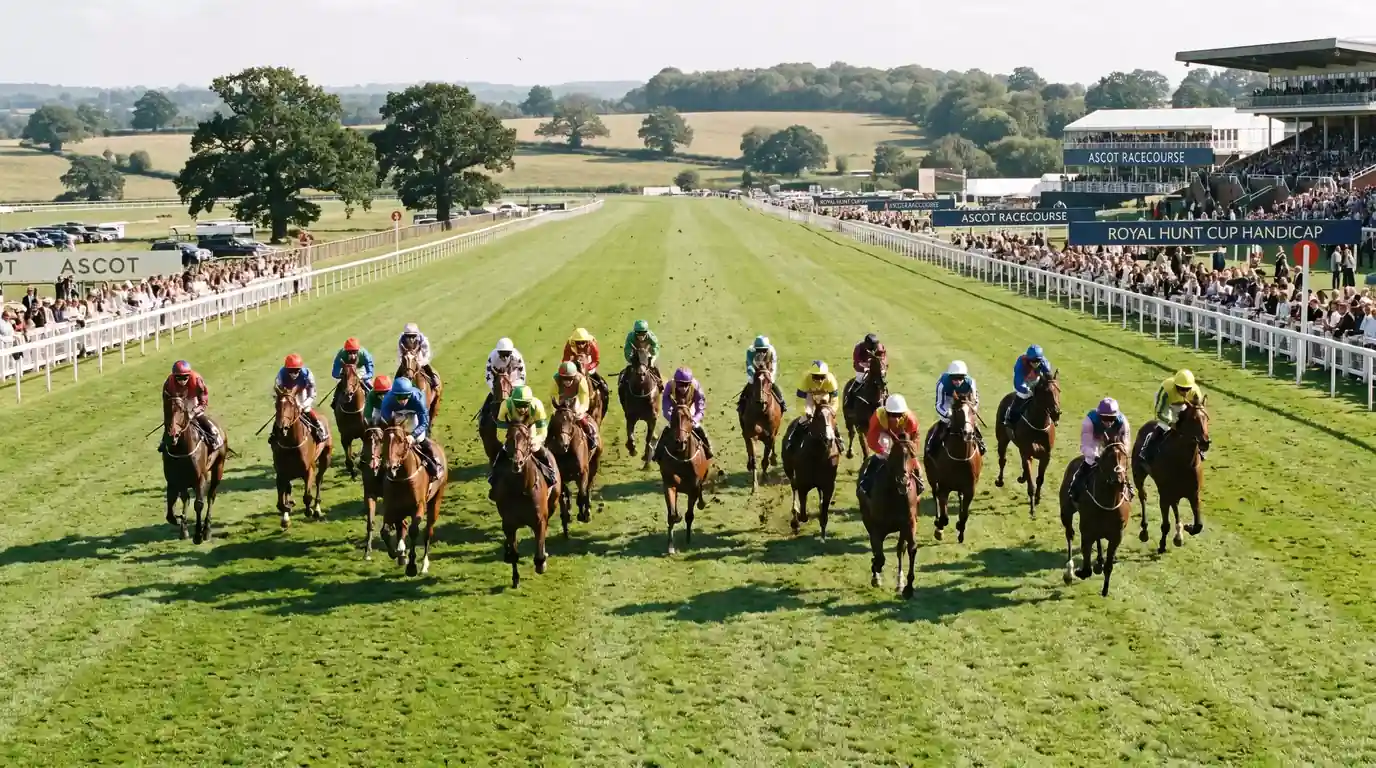
Cheltenham’s handicaps are where each-way betting comes alive. The County Hurdle, the Grand Annual, the Martin Pipe, the Pertemps Final, the Coral Cup — these races attract fields of eighteen to twenty-four runners. At sixteen-plus runners, bookmakers pay four places at 1/4 odds, and the generous terms transform the economics of place betting.
A 20/1 shot in a twenty-runner handicap hurdle pays 5/1 on the place at 1/4 terms. The implied place probability is 16.7%. In a field that size, with form compressed by the handicap system and pace unpredictable over Cheltenham’s undulating track, horses with strong course form and reliable jumping can place 20-25% of the time or more. The gap between implied and actual place probability is where the each-way edge lives.
Approximately 250 million pounds was wagered on the 2025 Grand National alone, per grandnational.fans, but Cheltenham’s cumulative each-way handle across its sixteen handicaps over four days rivals that figure. The sheer volume of each-way money at the Festival drives bookmaker competition, which tightens the overround on handicap races compared to quieter meetings. That competition benefits punters — the place prices you get at Cheltenham on a Saturday handicap are typically sharper than those offered on a Tuesday card at Fontwell.
Enhanced and Extra Place Promotions During the Festival
The Festival is the most aggressively promoted betting event on the British racing calendar outside the Grand National. Bookmakers compete for market share by offering enhanced place terms: paying five or six places instead of the standard four in selected handicaps, or extending place terms in championship races where only three would normally apply.
These promotions alter the each-way maths substantially. In a County Hurdle where one firm pays four places and another pays six, the latter’s each-way product is materially more valuable. A horse finishing fifth or sixth collects nothing at standard terms but triggers the place payout under the enhanced offer. Checking extra-place promotions before every Festival bet is not optional — it is a basic requirement for extracting maximum value.
The catch is that enhanced-place offers often come with reduced odds on the win portion. Some firms lower the starting price available or restrict the maximum stake on enhanced-terms bets. Read the small print. If the win price is shaved to fund the extra places, calculate whether the net expected value is genuinely higher than taking standard terms at a better win price elsewhere. Sometimes it is. Sometimes the headline promotion is a marketing tool that costs you money on the win portion.
Course Form and the Cheltenham Place Factor
Cheltenham’s track is unlike any other in National Hunt racing. The uphill finish, the undulations through the back straight, the effect of ground conditions that vary from firm on the Old Course to bottomless on the cross-country course — these factors create a distinct set of place-relevant form indicators that do not apply at other tracks.
Horses that handle the hill win at Cheltenham. Horses that do not handle the hill fade from contention in the final furlong, sliding from a place position to fifth or sixth. The hill is the single most important place-prediction variable at the Festival. A horse with two previous top-four finishes at the track has demonstrated the stamina reserve to sustain its effort up the gradient. A horse debuting at Cheltenham — even with strong form elsewhere — carries an unknown that reduces its place reliability.
HBLB analyst Said Delmonte observed that bookmaker gross profits ran well above norms during early 2025, with Cheltenham proving particularly bookmaker-friendly. One interpretation: punters backed too many course debutants each-way in the handicaps, underestimating how much the hill sorts out pretenders from genuine place contenders. Course form is the most statistically significant predictor of place finishing at the Festival, and ignoring it systematically transfers money from punter to bookmaker.
A Four-Day Place Betting Framework
Day one — Champion Day — offers the Champion Hurdle (small field, tight place terms) alongside the Supreme and Arkle novice races (medium fields, three places). The handicap target is the Boosted Handicap Hurdle or the Ultima. Day two — Ladies’ Day — features the Queen Mother Champion Chase and the Coral Cup (big field, four places). Day three brings the Stayers’ Hurdle and the Pertemps Final. Day four — Gold Cup Day — headlines the Gold Cup itself alongside the County Hurdle, the Grand Annual, and the Martin Pipe.
The heaviest each-way activity should concentrate on days two through four, where the programme cards multiple big-field handicaps. Championship races reward selective, form-based place bets on proven runners. Handicaps reward systematic value assessment using the implied probability framework. Mixing the two approaches — being selective in championship races and systematic in handicaps — covers the full programme without overstretching the bank.
How many places are paid at Cheltenham Festival handicaps?
Races with sixteen or more runners pay four places at 1/4 odds under standard industry terms. Many bookmakers offer enhanced terms during the Festival, paying five or six places on selected handicaps as a promotional offer. Always check individual bookmaker terms before placing your each-way bet.
Is each-way betting worthwhile in the Cheltenham Gold Cup?
The Gold Cup typically attracts ten to fourteen runners, so standard terms pay three places at 1/5 the win odds. The place fraction is tighter than in handicaps, which means the place return is smaller relative to your stake. Each-way betting on a genuine contender at 8/1 or above can still offer value, but at shorter prices the insurance premium is expensive.
Do enhanced place terms affect the win price?
Sometimes. Some bookmakers reduce the available win odds or cap stakes on bets placed under enhanced-place promotions. Compare the total expected value — including the win price and the number of extra places — against standard terms at the best available win price to determine which offer genuinely provides better value.
The full picture is in our guide to UK place and each-way betting.
The other festivals compared: each-way at the festivals.
Created by the ”Horse Racing Show bet” editorial team.